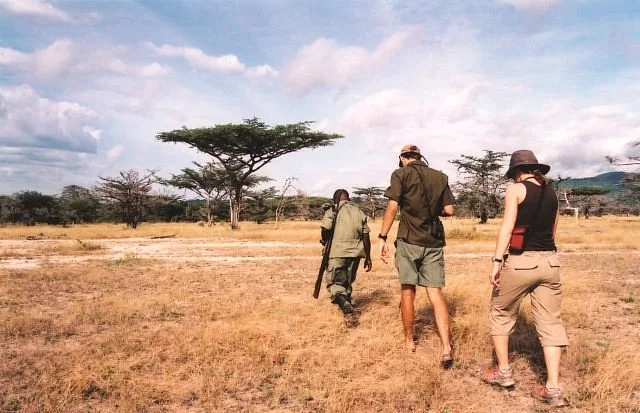
Experiencing Tanzania on Foot
Walking safaris in Tanzania offer tourists an unparalleled, immersive way to experience African wildlife and landscapes. Unlike game drives, walking safaris provide an intimate encounter with nature, allowing visitors to see, hear, and sometimes even smell the savannah, forests, and riverine environments. Walking safaris are guided by professional and armed rangers who ensure safety while highlighting tracks, signs, and small creatures often missed from vehicles.
Ideal for adventure-seekers, nature enthusiasts, and photography lovers, walking safaris offer deeper insight into ecosystems, animal behavior, and local flora and fauna. They also promote responsible tourism, low-impact exploration, and appreciation of conservation efforts.
Popular Walking Safari Destinations
- Serengeti National Park
- Location: Northern Tanzania.
- Highlights: Close-up views of herbivore tracks, predator signs, and bird species. Walking in the Serengeti plains offers encounters with termite mounds, baobab trees, and small mammals.
- Recommended Duration: Half-day (3–4 hours) or full-day (6–8 hours).
- Ngorongoro Conservation Area
- Location: Central Northern Tanzania.
- Highlights: Walking along crater rim edges, exploring bushveld and forested areas, observing wildlife tracks, and visiting Maasai bomas.
- Recommended Duration: Half-day walks near lodges; full-day excursions possible with guide and permits.
- Tarangire National Park
- Location: Northern Tanzania, south of Arusha.
- Highlights: Dense elephant herds, acacia woodlands, baobab trees, and diverse birdlife. Guided walks allow close observation of footprints, dung, and other ecological signs.
- Recommended Duration: Half-day (2–3 hours) or full-day walks.
- Selous Game Reserve (Nyerere National Park)
- Location: Southern Tanzania.
- Highlights: Walking safaris along riverbanks and forested areas with hippos, crocodiles, and a variety of bird species. Remote wilderness experiences ideal for avid nature lovers.
- Recommended Duration: Half-day to full-day with expert guides.
Typical Walking Safari Itinerary
Half-Day Walking Safari
- 06:00–07:00 AM: Pick-up from lodge, safety briefing, and introduction to bushwalking techniques.
- 07:00–10:00 AM: Guided walk observing tracks, small mammals, birds, plants, and landscapes.
- 10:00–10:30 AM: Rest break with water and light snacks.
- 10:30–11:30 AM: Optional short interactive session about animal behavior, conservation, or plant uses.
- 11:30 AM–12:00 PM: Return to lodge.
Full-Day Walking Safari
- 06:00 AM: Depart lodge for trailhead.
- 06:30–12:00 PM: Morning walk exploring multiple habitats, track identification, wildlife observation, and photography.
- 12:00–01:00 PM: Bush lunch at scenic spot.
- 01:00–04:30 PM: Afternoon walk exploring other areas, visiting waterholes, and observing smaller wildlife.
- 04:30–05:00 PM: Return to lodge.
What to Bring
- Sturdy walking shoes or hiking boots; closed-toe shoes required.
- Lightweight, neutral-colored clothing; long sleeves and pants for sun and insect protection.
- Hat, sunglasses, and sunscreen.
- Water and snacks; at least 1–2 liters per person for half-day walks.
- Binoculars and camera for wildlife and landscapes.
- Insect repellent and basic first-aid items.
- Small backpack or daypack for personal items and snacks.
- Rain gear during wet season (November–May).
- Guide-provided gear: Walking stick and safety equipment where applicable.
Health and Safety Considerations
- Fitness Level: Moderate; walks can cover 3–8 kilometers depending on terrain and duration.
- Wildlife Awareness: Stay close to the guide, avoid sudden movements, and respect all wildlife distances.
- Heat & Hydration: Early morning or late afternoon walks recommended; always carry sufficient water.
- Terrain: Uneven surfaces, termite mounds, riverbeds, and thickets may be encountered; follow guide instructions.
- Medical: Ensure routine vaccinations are up to date; malaria prophylaxis may be recommended in some areas.
Do’s and Don’ts During Walking Safaris
Do:
- Follow the guide’s instructions at all times.
- Maintain a quiet pace to observe wildlife and avoid startling animals.
- Learn to track and identify animal signs with your guide.
- Take only photographs, leaving the ecosystem intact.
- Support conservation by respecting park regulations and designated trails.
Don’t:
- Approach or attempt to touch wildlife.
- Walk off designated paths without guide permission.
- Litter, remove plants, or disturb habitats.
- Chase or harass animals for photos.
- Ignore the environmental conditions; be aware of sun, heat, or sudden weather changes.
Seasonal Considerations
- Dry Season (June–October): Trails are easier to navigate, and wildlife is concentrated near water sources.
- Wet Season (November–May): Lush landscapes, fewer tourists, but trails may be slippery and harder to access.
- Optimal Time of Day: Early morning (06:00–10:00 AM) or late afternoon (03:00–06:00 PM) for cooler temperatures and higher wildlife activity.
Duration and Costs
- Half-day walking safaris: 2–4 hours; USD 50–100 per person depending on park, guide, and included amenities.
- Full-day walking safaris: 6–8 hours; USD 120–200 per person, including bush lunch, guide, and park fees.
- Private guided walks: Pricing varies by duration, number of participants, and location.
Why Choose Cheetah Chase Safaris
Cheetah Chase Safaris provides expertly guided walking safaris that combine adventure, wildlife observation, and conservation education. Our rangers are trained in bushcraft, safety, and ecological interpretation, ensuring tourists enjoy a safe and insightful experience.
Walking safaris with Cheetah Chase Safaris allow travelers to explore Tanzania up close, understanding the subtle interactions of wildlife, plant life, and the environment that are often missed from vehicles. Whether in the Serengeti, Ngorongoro, Tarangire, or Selous, walking safaris create unforgettable connections with nature.
Discover Tanzania’s Wilderness on Foot
Walking safaris offer a unique, immersive way to experience Tanzania’s wildlife and landscapes. By following safety protocols, wearing appropriate gear, and respecting wildlife and habitats, tourists can enjoy a rewarding and educational adventure.
Cheetah Chase Safaris provides well-planned walking safaris that highlight Tanzania’s ecological diversity, wildlife behavior, and conservation efforts, making your adventure intimate, safe, and unforgettable.