Tel: +255 759 945 320
home > Top Travel Attractions > Serengeti National Park
Serengeti National Park, located in northern Tanzania, is one of the most famous wildlife destinations in the world. Established in 1951, it covers an impressive 14,750 square kilometers, making it one of Africa’s largest and most iconic national parks. The park is part of the larger Serengeti ecosystem, which stretches into Kenya as the Maasai Mara, creating one of the world’s most important wildlife conservation areas. Serengeti is recognized globally for its incredible biodiversity and is a UNESCO World Heritage Site.
The park’s name, “Serengeti,” is derived from the Maasai word Siringet, meaning “endless plains,” reflecting the park’s vast grasslands that stretch as far as the eye can see. Serengeti National Park is a highlight for any Tanzanian safari and a top attraction for travelers seeking authentic African wildlife experiences.
History and Conservation
Serengeti National Park has a rich history in wildlife conservation. Before its establishment, the Serengeti ecosystem was home to indigenous Maasai communities who grazed livestock alongside wildlife. The Tanzanian government recognized the area’s ecological importance and designated it a national park in 1951 to protect its wildlife, especially the migratory species. Over the decades, Serengeti has become a global symbol of conservation success, balancing tourism, wildlife protection, and community involvement.
The park is managed by the Tanzania National Parks Authority (TANAPA), which implements strict conservation measures, anti-poaching initiatives, and sustainable tourism practices to preserve the park’s unique ecosystem.
Geography and Accessibility
Serengeti National Park spans over 14,750 square kilometers, encompassing vast savannahs, woodlands, riverine forests, and rocky kopjes. The park is divided into several regions, each offering unique wildlife experiences:
The park is approximately 320 kilometers from Arusha, with road travel taking 6-8 hours depending on road conditions. Alternatively, domestic flights to Seronera, Kogatende, or Grumeti airstrips make access faster and more convenient.
Wildlife and Ecology
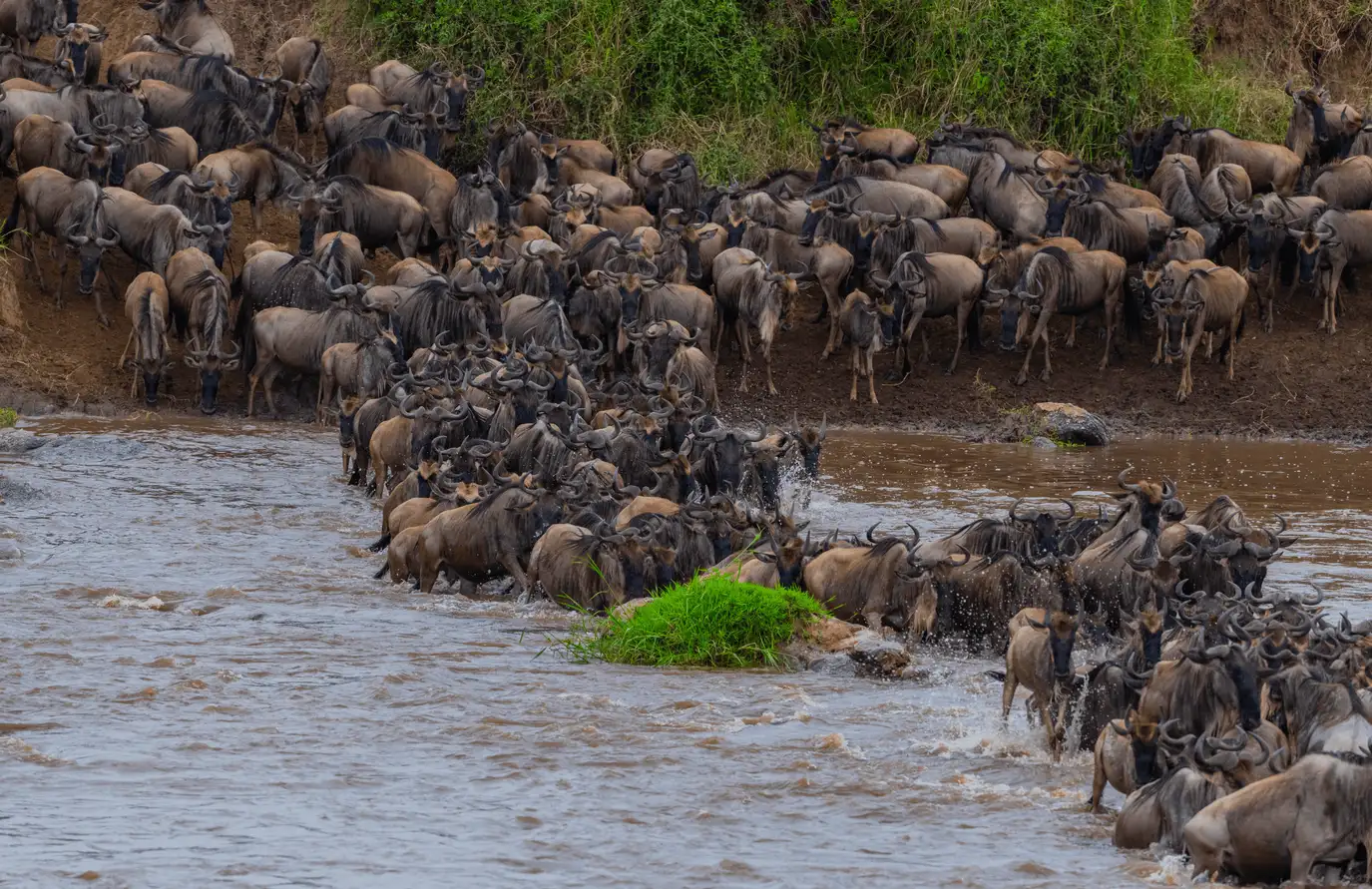
Serengeti National Park is home to more than 3 million animals, including the Big Five – lions, elephants, leopards, buffalo, and rhinoceroses – alongside cheetahs, giraffes, zebras, wildebeest, and numerous antelope species. The park is most famous for the Great Migration, where over 1.5 million wildebeest and hundreds of thousands of zebras travel across the plains from Serengeti to the Maasai Mara in search of fresh grazing between June and October.
The park’s diverse ecology includes savannah grasslands, acacia woodlands, and kopjes – rocky outcrops that provide elevated viewing points for predators and breathtaking photo opportunities. Serengeti’s rivers, including the Grumeti and Mara, sustain the ecosystem and create crucial watering points for wildlife. Birdwatchers can enjoy spotting over 500 bird species, including vultures, crowned cranes, and lilac-breasted rollers.
Safari Activities in Serengeti National Park
Serengeti offers a wide range of safari activities tailored to different traveler preferences:
Cultural Experiences
The Serengeti region is home to Maasai communities, who have lived alongside wildlife for centuries. Visitors can experience Maasai culture through village visits, traditional dances, and learning about pastoral lifestyles, beadwork, and local customs. These interactions give tourists an enriching cultural perspective and highlight the balance between wildlife conservation and human life in Tanzania.
Best Time to Visit
Serengeti National Park can be visited year-round, but wildlife activity varies by season:
Accommodation and Visitor Facilities
Serengeti offers diverse accommodation options, including luxury lodges, mid-range tented camps, and budget-friendly options. Many lodges provide all-inclusive safari packages, cultural tours, and guided excursions. The park has designated campsites, picnic areas, and airstrips to support tourism and ensure a comfortable, safe experience for visitors.
Visit Serengeti National Park with Us
A visit to Serengeti National Park offers an unparalleled opportunity to witness Africa’s iconic wildlife in their natural habitat. From the dramatic Mara River crossings to lion prides resting on kopjes, from colorful bird species to endless golden savannahs, Serengeti promises once-in-a-lifetime safari adventures, cultural insights, and breathtaking landscapes. It remains the ultimate destination for anyone exploring Tanzania and seeking authentic wildlife experiences.


Tel: +255 759 945 320
Email: sales@cheetahchasesafaris.com