Tel: +255 759 945 320
home > Top Travel Attractions > Ngorongoro Conservation Area
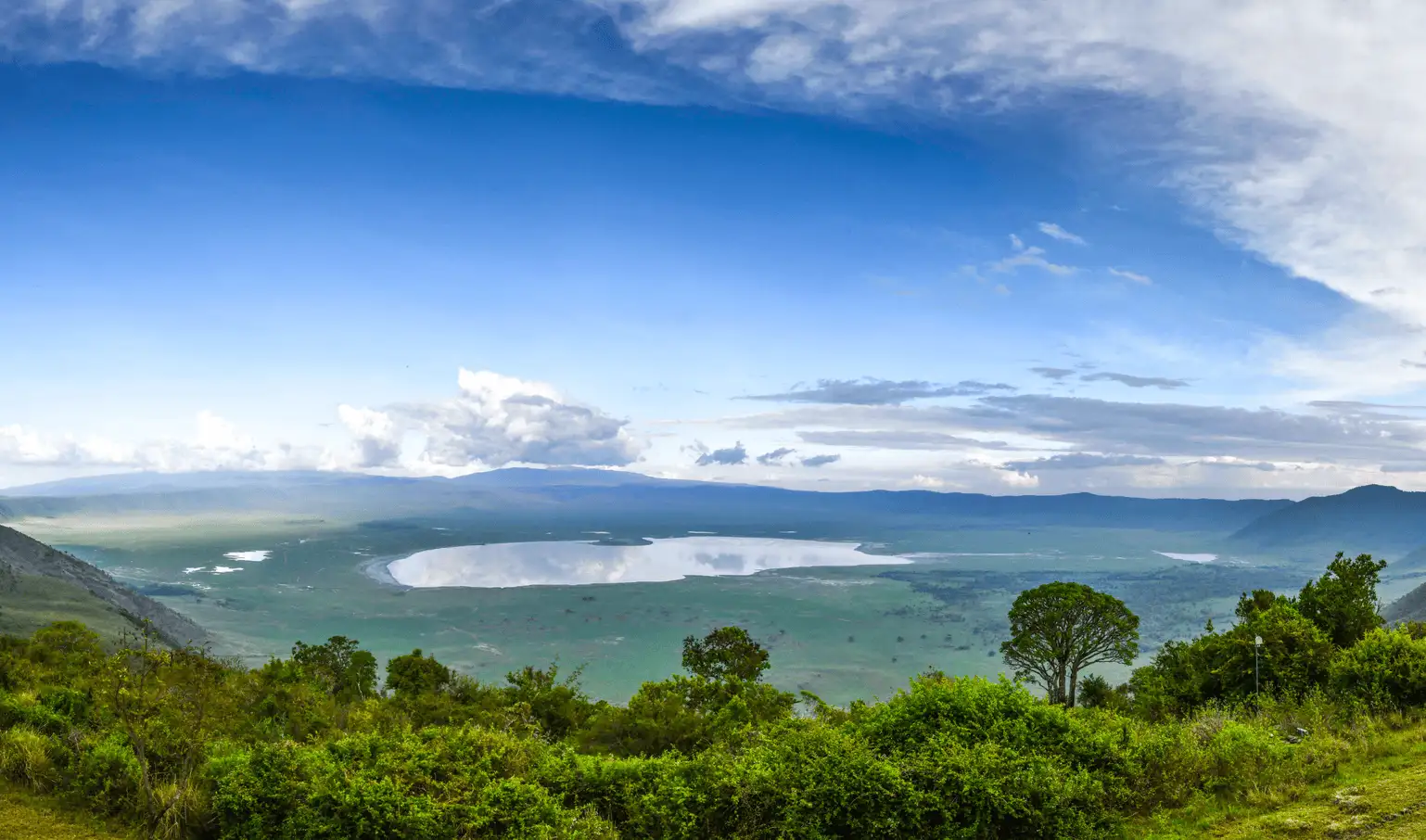
The Ngorongoro Conservation Area (NCA) is one of Tanzania’s most important conservation landscapes and a must-see on any Tanzania safari. Covering approximately 8,292 square kilometres, the NCA combines extraordinary wildlife habitats, dramatic volcanic geology, and living Maasai culture. At its heart lies the Ngorongoro Crater the world’s largest intact volcanic caldera but the Conservation Area extends well beyond the crater to include highlands, rift escarpments, forests, savannahs and archaeological sites.
History and UNESCO Status
The Ngorongoro region is rich in natural and human history. The crater itself formed nearly two million years ago when a giant volcano collapsed. The wider area contains archaeological sites with early human fossils, linking the region to human evolution.
The Ngorongoro Conservation Area was formally established in 1959 to balance wildlife protection with traditional pastoral land use. In 1979 the area was inscribed on the UNESCO World Heritage List for its outstanding universal value both for biodiversity and for its association with traditional Maasai land use. Management is overseen by the Ngorongoro Conservation Area Authority (NCAA), which administers conservation, tourism regulation and community programmes.
Geography, Area Coverage and Access
Getting there: The NCA is located in northern Tanzania. From Arusha the drive is approximately 180–200 km, typically 3.5–5 hours depending on route, weather and stops. Many visitors combine Ngorongoro with Serengeti and Lake Manyara on the northern safari circuit. Road access requires a reliable vehicle (4×4 recommended) for some internal tracks; guided tours from Arusha are the most common option.
Wildlife and Ecology
Ngorongoro supports an unusually dense assemblage of wildlife concentrated within the crater and surrounding highlands. The micro-ecosystems created by the caldera’s enclosed environment and permanent water sources sustain animals year-round.
Conservation challenges include poaching pressure on rhinos, human-wildlife conflict on the margins and managing tourism impact. NCAA conservation programs, anti-poaching units and community benefit schemes work to maintain ecological integrity.
Cultural Landscape – Maasai People and Pastoralism
The NCA is a model of integrated conservation where Maasai pastoralists live and graze their livestock within the protected landscape. Unlike national parks where human habitation is restricted, Ngorongoro allows traditional Maasai land use under regulated terms.
Common Tourist Activities and Attractions
Best Time to Visit
Practical Information for Tourists
Conservation, Management and Community Benefits
NCAA’s mixed-use management model is unique: it seeks to conserve biodiversity while allowing sustainable pastoralism and tourism. Revenue from visitor fees helps fund anti-poaching patrols, community development projects, education and health services for local people. Ongoing priorities include rhino protection, mitigating human-wildlife conflict, maintaining migratory corridors and ensuring tourism remains low-impact.
Why Ngorongoro Conservation Area Should Be on Your Tanzania Itinerary
Ngorongoro offers an extraordinary combination of geology, concentrated wildlife viewing, cultural encounters and accessible safari experiences that is difficult to match elsewhere. The crater’s density of animals, dramatic rim overlooks, and the living Maasai landscape make it an essential destination for first-time and returning visitors to Tanzania. Whether you seek close wildlife encounters on the crater floor, cultural insight with Maasai communities, or classic photography backdrops, Ngorongoro delivers a rich and varied safari experience.


Tel: +255 759 945 320
Email: sales@cheetahchasesafaris.com