Tel: +255 759 945 320
home > Top Travel Attractions > Lake Manyara National Park
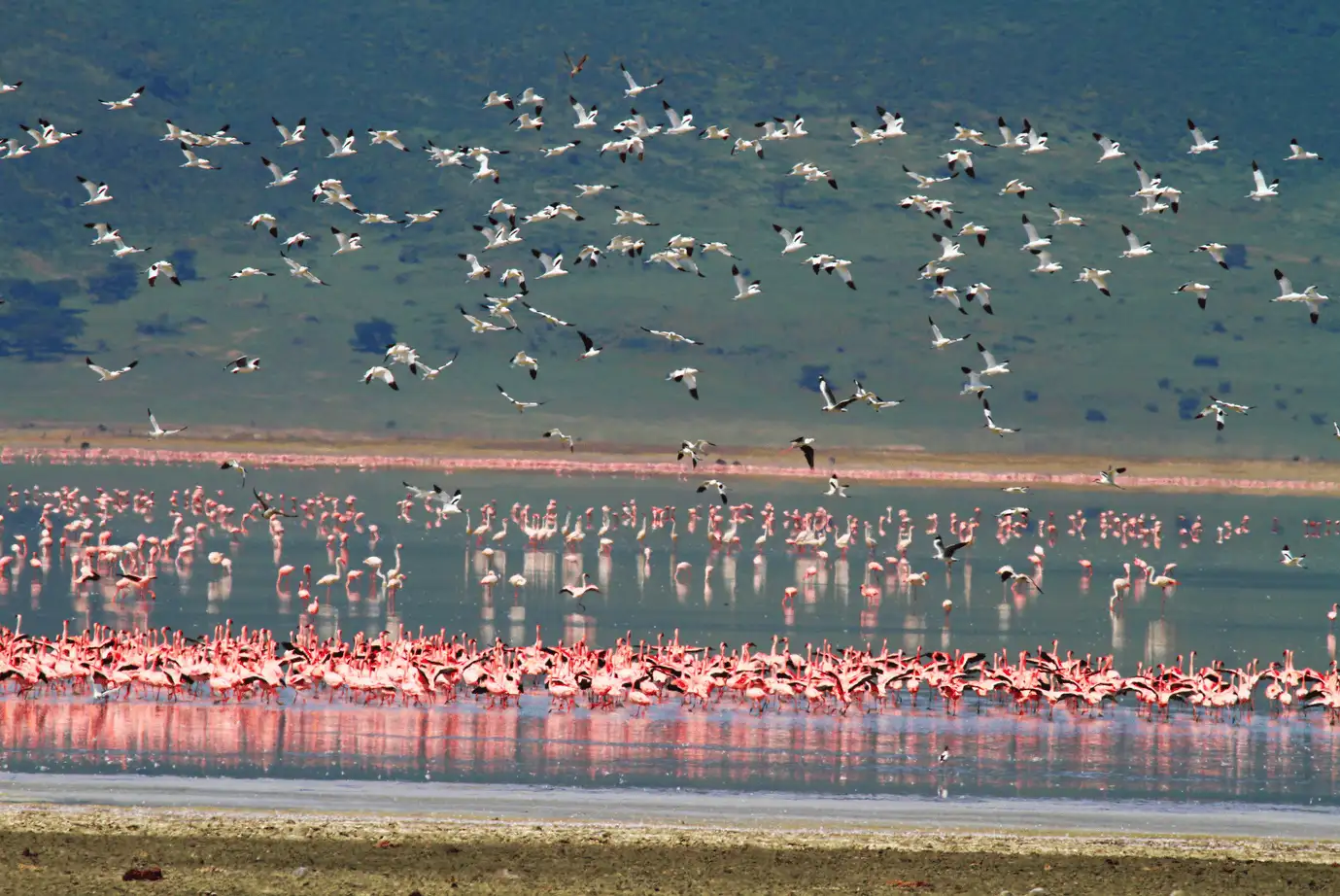
Nestled at the base of the Great Rift Valley escarpment in northern Tanzania, Lake Manyara National Park is one of the country’s most picturesque wildlife destinations. Though smaller than most of Tanzania’s national parks, it offers an incredible diversity of landscapes and wildlife within a compact area. The park is world-famous for its tree-climbing lions, large flocks of flamingos, and remarkable birdwatching opportunities that attract nature lovers from around the world.
Spanning a mix of dense forests, open grasslands, and the shimmering alkaline lake, Lake Manyara is a perfect introduction to a Tanzania safari offering both wildlife encounters and scenic beauty in a single day’s journey.
History and Establishment
Lake Manyara National Park was established in 1960, making it one of Tanzania’s earliest protected areas. Before its gazettement, the region was used seasonally by local communities and was a popular hunting area due to the abundance of game. When conservation efforts began in the mid-20th century, the park was designated to protect its unique mix of ecosystems from the Rift Valley escarpment to the soda lake and to provide a refuge for elephants, lions, and the vibrant birdlife that depend on its wetlands.
Today, Lake Manyara National Park is managed by Tanzania National Parks (TANAPA) and continues to play a vital role in preserving wildlife and supporting sustainable tourism in the northern safari circuit.
Geography and Area Coverage
Lake Manyara National Park covers an area of about 648 square kilometers, of which the actual lake occupies roughly two-thirds during the wet season. The remaining area consists of forests, floodplains, and the dramatic cliffs of the Great Rift Valley.
The park’s elevation ranges from 960 meters to 1,200 meters above sea level, offering diverse habitats that sustain different wildlife communities. Its alkaline lake, which has no outlet, changes size throughout the year depending on rainfall and evaporation. This ever-changing water level creates a dynamic ecological system that supports thousands of birds and mammals.
The park is divided into several key ecological zones:
Location and Accessibility
Lake Manyara National Park is conveniently located in northern Tanzania, about 130 kilometers (approximately 2.5 hours by road) from Arusha town the safari hub of northern Tanzania. It is also strategically positioned between Tarangire National Park and the Ngorongoro Conservation Area, making it an ideal stopover for travelers on multi-day safaris.
The main entrance, Mto wa Mbu Gate, is located near the small market town of Mto wa Mbu, where visitors can also explore local cultural experiences before or after their game drive.
For those who prefer to fly, charter flights are available from Arusha or Serengeti to the Lake Manyara Airstrip, located near the park’s main gate.
Wildlife and Ecology
Lake Manyara’s ecosystems are home to a fascinating range of wildlife, making it one of Tanzania’s best parks for both game viewing and birdwatching.
Major Wildlife Species
Birdlife
Lake Manyara is a birdwatcher’s paradise, with more than 400 species recorded. The alkaline lake attracts tens of thousands of flamingos when conditions are right, while pelicans, storks, kingfishers, herons, and raptors can be seen throughout the year.
Ecology and Climate
The park’s rich biodiversity is sustained by underground springs and streams flowing from the highlands. The Groundwater Forest provides a humid, shaded environment that supports a different mix of species than the dry acacia woodlands, while the lake’s edges shift seasonally, creating breeding grounds for aquatic birds and habitats for herbivores.
The climate is generally mild due to its elevation, with temperatures ranging between 20°C and 30°C. Rainfall is most common between March and May and again in November, while the dry season from June to October offers clearer views and easier game drives.
Safari Activities in Lake Manyara National Park
Game Drives
Guided game drives are the most popular activity. Morning and evening drives reveal different animal behaviors predators hunting at dawn and herds gathering around the lake later in the day.
Birdwatching Tours
Lake Manyara is one of the best birdwatching destinations in East Africa. Birders can explore the lakeshore and forests to spot flamingos, spoonbills, fish eagles, and hornbills.
Walking Safaris
Some areas of the park allow guided walking safaris, offering a chance to learn about the smaller details of the ecosystem plants, insects, animal tracks, and bird calls with the guidance of an experienced ranger.
Cultural Visits
The nearby town of Mto wa Mbu offers cultural tours that showcase local life, traditional farming, banana beer brewing, and Tanzanian cuisine. This is an excellent opportunity to learn about the diverse cultures that coexist around the park.
Canopy Walkway
Lake Manyara features Tanzania’s first tree-top canopy walkway, stretching about 370 meters through the forest. This unique experience lets visitors walk among treetops and view the forest from a new perspective.
Best Time to Visit
Lake Manyara National Park is open year-round, but the best time depends on your interests:
The park’s smaller size makes it possible to explore in a single day, making it an excellent addition to a multi-park safari itinerary.
Accommodation Options
Accommodation options around Lake Manyara range from luxury lodges to budget-friendly campsites:
All lodges and camps provide excellent access to the park, along with guided safari options and scenic views of the Rift Valley.
Cultural and Community Connections
Lake Manyara’s surrounding communities, particularly in Mto wa Mbu, are among the most culturally diverse in Tanzania, with more than 100 different tribes represented. Visitors can explore local markets, farms, and handicraft centers or join a guided village walk to experience traditional Tanzanian life.
Cheetah Chase Safaris encourages responsible and sustainable tourism, ensuring that part of your visit contributes directly to local community development and conservation efforts.
Why Visit Lake Manyara National Park
Lake Manyara offers a complete safari experience in a single location. From the thrill of spotting tree-climbing lions and large elephant herds to the peaceful beauty of flamingos on the lake, the park combines wildlife, scenery, and culture in one unforgettable setting.
For those planning a northern Tanzania safari, Lake Manyara serves as the perfect introduction or conclusion to visits to Tarangire, Ngorongoro, and Serengeti. Its accessibility, diversity, and beauty make it one of the most rewarding destinations for tourists seeking both adventure and tranquility.
At Cheetah Chase Safaris, we specialize in crafting tailor-made Lake Manyara safari packages from one-day excursions to multi-park adventures across northern Tanzania. Whether you’re a photographer, birder, or first-time visitor, our expert guides ensure that your Lake Manyara experience is safe, informative, and unforgettable.


Tel: +255 759 945 320
Email: sales@cheetahchasesafaris.com