Tel: +255 759 945 320
home > Top Travel Attractions > Selous Game Reserve (Nyerere National Park)
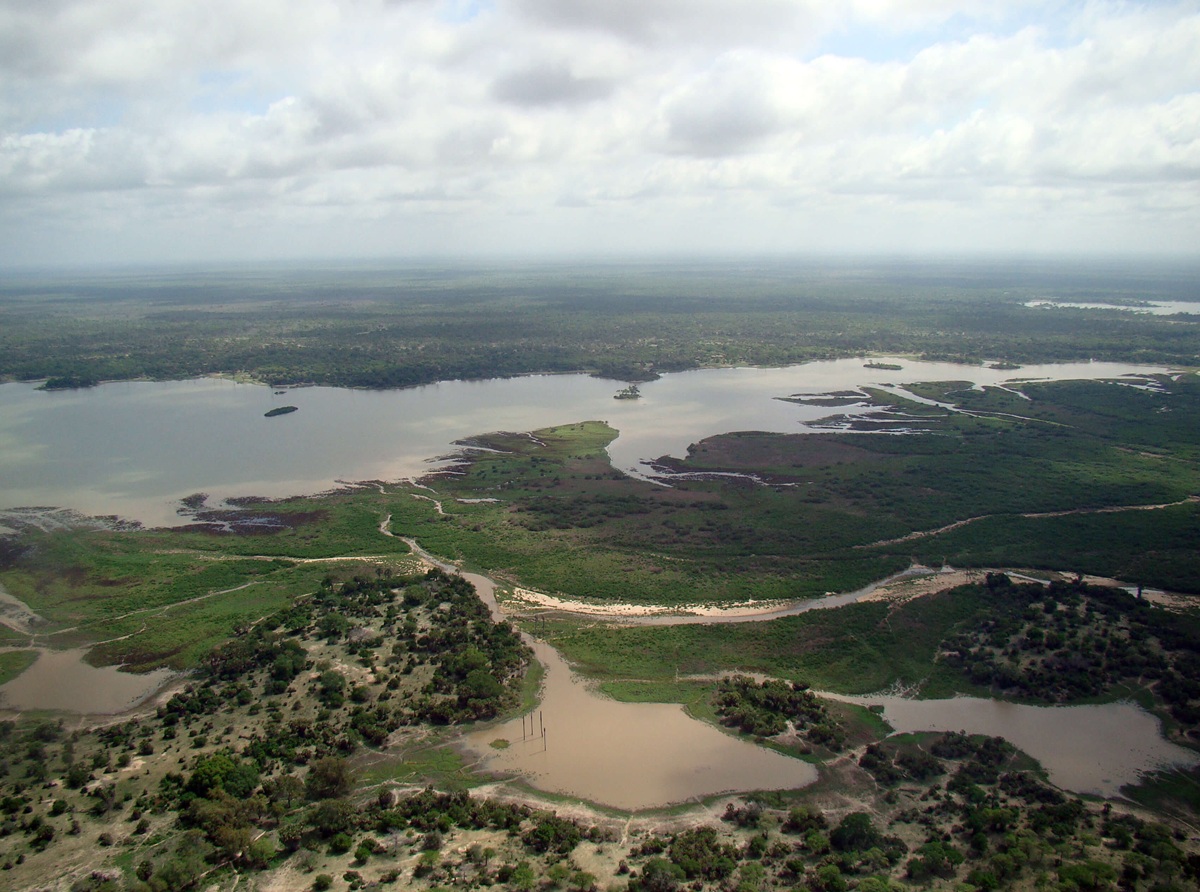
Stretching across southern Tanzania, Selous Game Reserve, now officially known as Nyerere National Park, stands as one of the largest and wildest protected areas in Africa. Covering over 30,000 square kilometers, this UNESCO World Heritage Site represents the essence of unspoiled African wilderness. The park’s vast landscapes ranging from open woodlands and riverine forests to sprawling plains and wetlands harbor some of the most diverse wildlife populations in the world.
Named after the legendary British explorer Frederick Courtney Selous, this area has long been a symbol of adventure and discovery. Today, it continues to attract travelers seeking an off-the-beaten-path safari experience, away from the crowds that frequent Tanzania’s northern parks. At Cheetah Chase Safaris, we describe Nyerere National Park as “Africa’s last great wilderness,” where nature still reigns supreme and the spirit of the wild is deeply alive.
History and Conservation Significance
Selous Game Reserve was established in 1922, making it one of Africa’s oldest protected areas. It was named after Frederick Selous, a renowned naturalist, explorer, and conservationist who dedicated much of his life to protecting Africa’s wildlife.
In 2019, part of the Selous Game Reserve was reclassified as Nyerere National Park, in honor of Julius Kambarage Nyerere, Tanzania’s founding father and a great advocate of conservation and sustainable development. This reclassification aimed to strengthen tourism management, wildlife protection, and eco-tourism infrastructure while preserving its wilderness character.
The park’s vastness allows for a sustainable wildlife population, supporting one of the largest remaining elephant populations in Africa and significant numbers of African wild dogs, lions, buffalo, and hippos. Conservation efforts continue to focus on combating poaching and promoting eco-friendly tourism that benefits local communities.
Geography and Area Coverage
Nyerere National Park spans approximately 30,893 square kilometers, making it Africa’s largest national park and nearly three times the size of Serengeti. The park’s landscape is defined by the mighty Rufiji River, which meanders through the reserve and creates a complex network of channels, lakes, and swamps that sustain the park’s rich ecosystems.
The Rufiji River Delta is particularly remarkable it is one of the largest water systems in East Africa and supports a wealth of aquatic and terrestrial wildlife. The park’s altitude ranges between 100 to 600 meters above sea level, contributing to varied habitats, from dense woodlands and savannahs to miombo forests and riverine areas.
The diversity of landscapes makes Nyerere a photographer’s paradise. Vast plains dotted with acacias, groves of palm trees along the river, and distant escarpments create ever-changing scenery that reflects the true spirit of wild Tanzania.
Location and Accessibility
Nyerere National Park is located in southern Tanzania, approximately 230 kilometers southwest of Dar es Salaam.
By Air
The easiest way to reach the park is by charter or scheduled flights from Dar es Salaam, Arusha, or Zanzibar to several airstrips inside the park, including Mtemere, Beho Beho, and Siwandu. Flights take about 45 minutes to 1 hour, offering scenic aerial views of the Rufiji River and the surrounding wilderness.
By Road
Traveling by road from Dar es Salaam takes approximately 5 to 6 hours, depending on the season and road conditions. Though long, this journey provides opportunities to explore rural Tanzanian life, local markets, and traditional villages along the way.
For travelers seeking a more comprehensive safari experience, Cheetah Chase Safaris combines Nyerere with nearby destinations such as Ruaha National Park and Mikumi National Park, creating a diverse southern circuit adventure.
Wildlife and Ecology
Nyerere National Park boasts some of the highest concentrations of wildlife in Tanzania. The park’s ecological diversity allows for spectacular sightings year-round, especially along the Rufiji River and its tributaries.
Major Wildlife Species
Birdlife
Bird enthusiasts will find Nyerere a paradise, with over 440 recorded bird species, including the African fish eagle, yellow-billed stork, carmine bee-eater, African skimmer, and malachite kingfisher. The park’s combination of wetlands, riverbanks, and forests provides habitats for both resident and migratory birds.
Ecology
The park’s ecology is shaped by the Rufiji River system, which provides life-sustaining water throughout the year. The miombo woodlands, dominated by Brachystegia trees, support elephants, antelopes, and many bird species. Seasonal wetlands and floodplains nurture hippos, crocodiles, and waterbirds, creating one of the most balanced ecosystems in East Africa.
Activities in Nyerere National Park
Game Drives
Classic game drives offer opportunities to explore the park’s varied habitats and observe wildlife in their natural environment. Morning and afternoon drives are most rewarding, with sightings of elephants, lions, and wild dogs being common.
Boat Safaris on the Rufiji River
One of the highlights of visiting Nyerere National Park is the boat safari along the Rufiji River. This unique activity offers close encounters with hippos, crocodiles, and birdlife, along with stunning sunset views. It’s a tranquil yet thrilling experience that sets Nyerere apart from other Tanzanian parks.
Walking Safaris
Guided walking safaris, led by armed rangers and professional naturalists, provide an intimate way to experience the park’s wilderness. Travelers learn about animal tracks, medicinal plants, and the smaller details of the bush that are often overlooked during vehicle safaris.
Fly-Camping and Bush Meals
For those seeking deeper immersion, fly-camping offers a raw and authentic safari adventure under the stars. Bush meals by the river or lakeshore create a romantic and unforgettable experience surrounded by nature’s symphony.
Cultural Tours
The surrounding areas are inhabited by the Ndengereko, Matumbi, and Lusewa communities, who maintain traditional lifestyles that are closely connected to the land. Visitors can participate in cultural excursions to learn about local customs, music, cuisine, and conservation awareness efforts that promote coexistence between humans and wildlife.
Best Time to Visit
Nyerere National Park can be visited year-round, but the best time for wildlife viewing is during the dry season (June to October) when animals gather around the Rufiji River and open plains for water. The roads are also more accessible during this period.
The wet season (November to May) transforms the park into a lush, green paradise, with abundant birdlife and fewer tourists. Although some areas become difficult to access, it is an excellent time for photography, boating, and birdwatching.
Accommodation Options
Nyerere National Park offers a range of accommodation options that blend comfort with wilderness charm:
Each property provides opportunities for both game drives and boat safaris, ensuring a complete experience of the park’s ecosystems.
Culture and Community Engagement
Nyerere National Park plays a significant role in community-based conservation. Cheetah Chase Safaris collaborates with local communities around the park to promote eco-friendly tourism and create economic opportunities through employment, craft sales, and cultural exchange programs.
Cultural tours not only enrich the visitor experience but also help sustain the traditional lifestyles of local tribes and support conservation education for future generations.
Why Visit Selous / Nyerere National Park
For travelers seeking a true wilderness experience, far from crowded tourist routes, Nyerere National Park offers an unparalleled adventure. Its combination of vast open landscapes, thriving wildlife, rich ecosystems, and cultural heritage makes it one of Tanzania’s most rewarding destinations.
From thrilling boat safaris to tranquil walking expeditions, Nyerere provides the perfect balance of excitement and serenity. It’s a place where elephants roam freely, rivers pulse with life, and the sounds of nature fill the air an authentic African safari destination that reflects the untamed beauty of Tanzania.


Tel: +255 759 945 320
Email: sales@cheetahchasesafaris.com