Tel: +255 759 945 320
home > Top Travel Attractions > Mikumi National Park
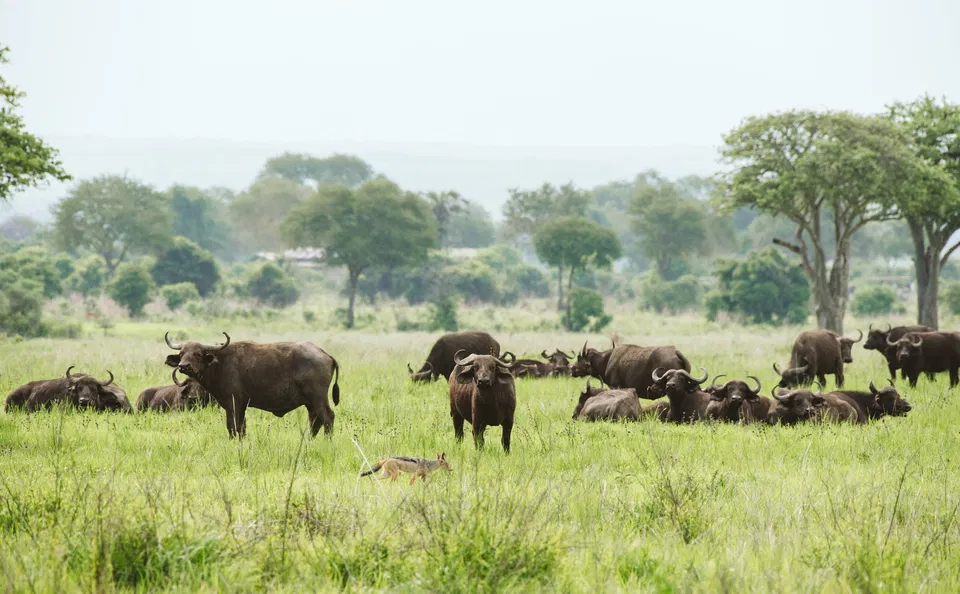
Nestled in the heart of Tanzania’s southern safari circuit, Mikumi National Park stands as one of the most accessible yet breathtaking wildlife destinations in the country. Located between the Uluguru Mountains to the northeast and the Lumango Range to the southwest, Mikumi offers an extraordinary blend of scenic beauty, diverse wildlife, and a peaceful atmosphere that makes it ideal for both first-time visitors and seasoned safari enthusiasts.
Covering an impressive 3,230 square kilometers, Mikumi is the fourth-largest national park in Tanzania and forms part of a vital ecosystem connected to the vast Selous Game Reserve (now Nyerere National Park). Its open plains and golden savannahs resemble the iconic Serengeti, earning it the nickname “The Serengeti of the South.”
At Cheetah Chase Safaris, we recommend Mikumi to travelers seeking a short yet unforgettable safari adventure filled with abundant wildlife, incredible landscapes, and authentic Tanzanian culture all within easy reach from Dar es Salaam.
History and Background
Mikumi National Park was officially established in 1964, the same year Tanzania gained independence, marking it as one of the earliest conservation areas in the country. The park was created to protect the diverse ecosystems of the Mkata Floodplain, which supports a rich variety of wildlife and vegetation.
Over time, Mikumi became a crucial part of the Selous-Mikumi ecosystem, allowing animals to migrate freely between the two protected areas. This connectivity has helped maintain healthy wildlife populations and ensures that the park remains one of the most rewarding safari destinations in southern Tanzania.
Tanzania National Parks Authority (TANAPA) manages Mikumi, focusing on wildlife conservation, anti-poaching efforts, and community engagement. The park continues to thrive as a model for sustainable tourism and ecological preservation.
Geography and Area Coverage
Mikumi’s landscape is incredibly diverse, offering an ever-changing panorama of natural beauty. The park lies in the Mkata River floodplain, bordered by mountain ranges that create a striking backdrop to the open savannah.
The park’s vegetation is dominated by open grasslands, acacia woodlands, and baobab-studded plains, with the Mkata River acting as a lifeline that attracts herds of animals, particularly during the dry season. The Kisungura and Kikoboga areas are especially rich in wildlife, offering the best game viewing opportunities.
Accessibility and How to Get There
One of Mikumi’s biggest advantages is its easy accessibility. It is located just 283 kilometers west of Dar es Salaam, making it the most convenient national park to reach from the country’s largest city.
By Road
The drive from Dar es Salaam to Mikumi takes approximately 4 to 5 hours via the well-maintained A7 highway, which passes through Morogoro town. The journey is scenic, offering glimpses of rural Tanzania, small villages, and rolling hills along the way.
From Morogoro, the park entrance is only about 50 kilometers, making it a popular weekend destination for both local and international visitors.
By Air
Charter flights and scheduled services operate from Dar es Salaam, Arusha, and Zanzibar to Mikumi Airstrip, located near the park headquarters. The flight takes about 45 minutes from Dar es Salaam, offering travelers a convenient and time-saving option.
Wildlife and Ecology
Mikumi National Park is home to an impressive variety of mammals, birds, and reptiles, making it one of the most biodiverse areas in Tanzania. Its ecology mirrors that of the Serengeti, with wide-open plains and seasonal wetlands that sustain large herds of herbivores and their predators.
Mammals
Visitors can expect to see an abundance of wildlife, including:
Birdlife
Mikumi is a paradise for bird enthusiasts, boasting over 400 recorded bird species. These include yellow-throated longclaws, lilac-breasted rollers, Bateleur eagles, African fish eagles, hornbills, and migratory species that arrive during the wet season (November–April).
Reptiles and Other Species
Reptiles such as monitor lizards, snakes, and tortoises are commonly seen, while the park’s wetlands are home to frogs and other amphibians, contributing to its rich ecological diversity.
Vegetation and Habitats
The vegetation in Mikumi varies from open grasslands to dense miombo woodlands and riverine forests. The Mkata Floodplain forms the heart of the park’s ecosystem, providing fertile ground for grazing animals.
The dry areas are dominated by baobab trees, tamarinds, and acacia species, while the wetter zones near the rivers are lush with palm trees and figs. During the rainy season, the plains turn vibrant green, covered with wildflowers and fresh grass that attract large numbers of herbivores.
Activities in Mikumi National Park
Game drives are the highlight of any visit to Mikumi. The park’s road network is well maintained, allowing easy access to prime wildlife viewing areas. Morning and evening drives are particularly rewarding, offering opportunities to witness predators on the move or herds of elephants against the backdrop of sunrise and sunset.
Guided walking safaris provide a thrilling way to explore the park on foot. Accompanied by expert guides and armed rangers, visitors can learn about animal tracks, medicinal plants, and the smaller creatures often missed during vehicle safaris.
For bird lovers, Mikumi offers a variety of habitats that host both resident and migratory birds. The Hippo Pools and Mkata River are prime birding spots, especially during the wet season.
Mikumi is surrounded by vibrant local communities, including the Waluguru and Wasagara tribes. Cultural visits to nearby villages provide insight into traditional farming, local crafts, music, and dance. These interactions offer visitors an authentic glimpse into Tanzania’s rural life and the cultural heritage of the southern highlands.
With its stunning landscapes and prolific wildlife, Mikumi offers exceptional opportunities for wildlife and landscape photography. The dramatic contrasts of the savannah, mountains, and sunsets make it a favorite among photographers.
Best Time to Visit
Mikumi National Park is a year-round destination, but the experience varies with the seasons:
Temperatures are moderate year-round, but visitors should be prepared for warm days and cooler nights, especially during the dry season.
Accommodation Options
Mikumi offers a range of accommodation to suit every traveler’s budget and preference:
All accommodations blend harmoniously with the environment and emphasize sustainable tourism practices.
Culture and Community Involvement
The people surrounding Mikumi mainly from the Waluguru and Wasagara communities play an important role in the park’s conservation. Many locals are involved in community-based tourism projects and cultural programs supported by TANAPA and tour operators like Cheetah Chase Safaris.
Visitors can take part in community tours, visit local markets, and learn about traditional lifestyles that have coexisted with wildlife for centuries. These experiences foster cultural understanding and contribute to local economic growth.
Why Visit Mikumi National Park
Mikumi National Park is the perfect destination for travelers looking for a short yet rewarding safari experience. Its convenient location, abundant wildlife, and stunning scenery make it ideal for weekend getaways, family safaris, and stopovers on longer journeys through southern Tanzania.
Here, you can witness elephants crossing the golden plains, lions resting in the shade of acacia trees, and hippos wallowing lazily in natural pools all without the crowds found in more northern parks.
At Cheetah Chase Safaris, we take pride in crafting unforgettable itineraries that combine Mikumi with nearby attractions such as Udzungwa Mountains National Park, Nyerere National Park (Selous Game Reserve), and Ruaha National Park, allowing travelers to experience the best of Tanzania’s southern wilderness.
Final Thoughts
Whether you are a first-time visitor to Tanzania or a returning safari lover, Mikumi National Park promises an experience that blends adventure, tranquility, and authentic African wilderness. It is a place where nature thrives freely, where every sunrise brings new discoveries, and where the beauty of Tanzania’s wild heart is revealed in its purest form.


Tel: +255 759 945 320
Email: sales@cheetahchasesafaris.com