Tel: +255 759 945 320
home > Top Travel Attractions > Katavi National Park
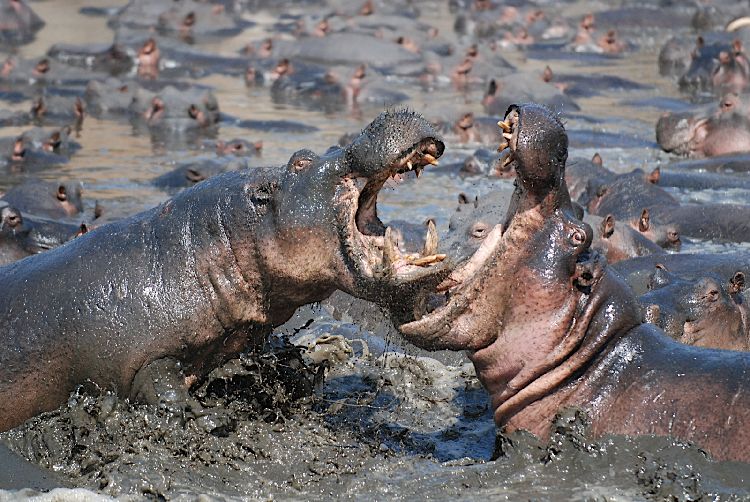
Katavi National Park is Tanzania’s most remote and least visited major park, offering an uncompromised wilderness experience where wildlife numbers swell dramatically during the dry season. Renowned for its seasonal floodplains, massive buffalo and hippo gatherings, and intense predator activity, Katavi rewards visitors with dramatic, postcard-perfect wildlife encounters in true solitude. For travelers seeking an off-the-beaten-path safari and intimate contact with untamed nature, Katavi is unmatched.
History and Protection Status
Katavi was first protected as a game reserve before being gazetted as a national park in the mid-20th century to conserve its distinctive floodplain ecosystems and the large mammals that depend on them. Over the decades it has remained lightly developed compared with northern parks, a deliberate choice by conservation managers to preserve its wilderness character. The park’s remoteness has been both a conservation asset reducing pressure from mass tourism and a management challenge, requiring targeted anti-poaching and community engagement efforts.
Geography, Area Coverage and Landscape
The mosaic of floodplain and woodland produces sharp contrasts between lush, green wet-season scenery and the dramatic dry-season congregations of game that define Katavi’s character.
How to Get There Distances and Travel Time (Approximate)
Katavi’s remoteness is part of its appeal; getting there requires planning:
Cheetah Chase Safaris recommends scheduling Katavi as a dedicated portion of a southern Tanzania itinerary with domestic flight options to maximize wildlife time and minimize transit fatigue.
Wildlife, Ecology and Seasonal Dynamics
Katavi’s ecology is defined by dramatic seasonal variability. During the wet season the floodplains expand and wildlife disperses; in the dry season animals concentrate in immense numbers around the remaining water sources, producing some of Africa’s most intense wildlife spectacles.
Key Species and Species Dynamics
Vegetation and Habitat Types
Conservation Issues and Management
Remoteness reduces tourist impact but complicates anti-poaching operations and logistics. Conservation priorities include maintaining migratory and dispersal corridors, protecting water sources, anti-poaching patrols, and community programs that align livelihoods with conservation. Katavi’s low visitor footprint is intentionally preserved to maintain ecological integrity.
Common Activities and Safari Experiences
Katavi offers classic, wild safari experiences focused on wildlife concentration and solitude:
Game Drives
Dry-season game drives across open floodplains and into woodland edges deliver close and often prolonged wildlife encounters. Drives may follow predator activity or the movements of vast buffalo and hippo congregations.
Boat and Channel Safaris
Where water levels allow, guided boat trips or motorized canoe excursions along channels and pools provide unique perspectives on hippos, crocodiles and birdlife. Boat options are seasonal and depend on water levels and park regulations.
Walking Safaris and Guided Nature Walks
Guided walks (where permitted) add a tactile, low-impact dimension tracking prints, identifying plants and small fauna, and observing the landscape’s ecological processes. Armed ranger accompaniment is standard for safety.
Fly-Camping and Mobile Camping
For experienced wilderness travelers, fly-camping (mobile bush camps) allows immersive multi-day exploration deeper into the park, under stars and away from permanent camps.
Birdwatching and Photography Safaris
Katavi’s seasonal concentrations and open plains provide spectacular opportunities for wildlife photography and birdwatching, especially during the dry season when animals and birds gather densely.
Culture and Local Communities
The areas surrounding Katavi are sparsely populated by rural communities who practice small-scale agriculture, pastoralism and fishing in seasonal wetlands. Community engagement is a key part of effective park management: tourism revenue supports local projects, employment, and infrastructure that reduce human-wildlife conflict and create incentives for conservation. Visitors may encounter village markets or community-run initiatives when traveling to and from the park; respectful, low-impact cultural interactions are encouraged.
Practical Visitor Information Permits, Safety and Tips
Why Visit Katavi National Park
Katavi is for travelers who want the raw, profound experience of Tanzania’s wilderness without crowds. Encounters here feel intimate and primal: watching thousands-strong buffalo herds, hearing the thunder of hippos on the riverbank at dusk, and witnessing concentrated predator-prey dynamics in a setting largely unchanged by mass tourism. For photographers, naturalists, and seasoned safari-goers, Katavi offers some of the most authentic and powerful wildlife experiences in East Africa.


Tel: +255 759 945 320
Email: sales@cheetahchasesafaris.com