Tel: +255 759 945 320

home > Top Travel Attractions > Mahale Mountains National Park
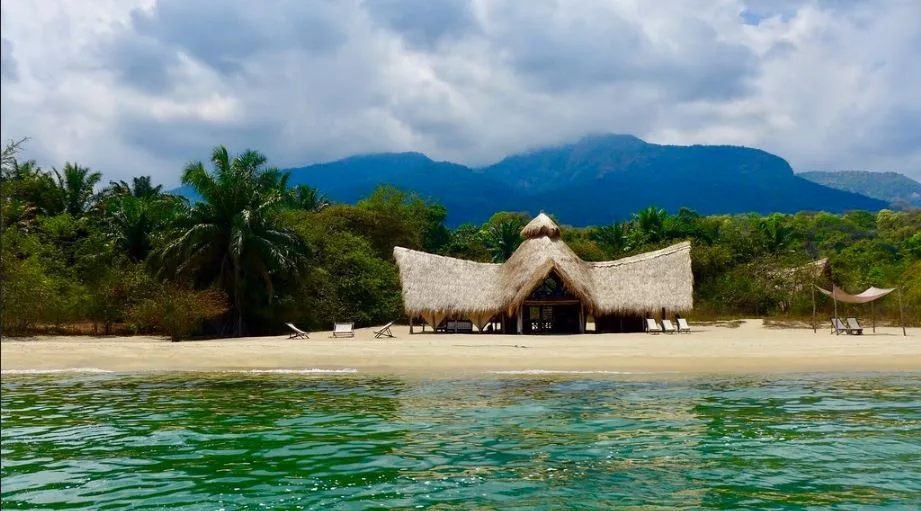
Mahale Mountains National Park is one of Tanzania’s most captivating and remote destinations, located on the eastern shores of Lake Tanganyika in western Tanzania. The park is famous for its wild chimpanzee populations, breathtaking mountain landscapes, and crystal-clear lake waters. Spanning deep tropical rainforests, woodlands, and pristine sandy beaches, Mahale offers a rare wilderness experience where nature remains untouched. Unlike most national parks, there are no roads inside Mahale visitors explore on foot or by boat, which makes every moment intimate and authentic. It’s a sanctuary for both adventure seekers and nature lovers who crave serenity far from the usual safari circuits.
History of Mahale Mountains National Park
Mahale Mountains National Park was officially gazetted in 1985, covering an area that was once home to the Wabande people, who were later relocated to ensure the protection of wildlife, especially chimpanzees. Before its establishment, researchers from Kyoto University had been studying chimpanzees in the area since the 1960s, making Mahale one of the most significant long-term chimpanzee research sites in the world. The park was established to protect the region’s unique biodiversity and to create a safe haven for over 1,000 wild chimpanzees that inhabit its dense forests. Its conservation success story highlights Tanzania’s dedication to preserving critical ecosystems.
Geography and Area Coverage
Mahale Mountains National Park covers an impressive 1,650 square kilometers (636 square miles) of rugged terrain. It lies between 6° and 7° South latitude and is bordered by the vast Lake Tanganyika, which is the world’s second-oldest and second-deepest freshwater lake, reaching depths of over 1,470 meters (4,820 feet).
The park’s landscape is dominated by the Mahale Mountain Range, with its highest peak, Mount Nkungwe, standing at 2,462 meters (8,077 feet) above sea level. The park’s ecosystem transitions from miombo woodland and open grassland to thick montane and tropical rainforests, offering an incredible variety of vegetation zones within a relatively small area. The park experiences two main seasons: a wet season (November to April) and a dry season (May to October), with the best time to visit being during the dry months when trekking conditions are ideal and chimpanzees are easier to locate.
How to Get There
Mahale Mountains National Park is remote, making the journey part of the adventure.
Although it’s a long journey, the remoteness guarantees a peaceful, exclusive, and truly wild safari experience.
Wildlife and Chimpanzee Population
Mahale is best known for its chimpanzees, with an estimated population of over 1,000 individuals, including several habituated groups. The M Group, which has been studied for decades, allows visitors an exceptional opportunity to observe chimpanzees up close in their natural environment. Guided chimpanzee treks take you deep into the forest, where you can witness these intelligent primates playing, grooming, and communicating in complex social interactions.
Apart from chimpanzees, Mahale is home to a rich diversity of wildlife, including red colobus monkeys, blue monkeys, yellow baboons, red-tailed monkeys, and vervet monkeys. Other mammals found here include leopards, bush pigs, bushbucks, warthogs, and giant forest squirrels. The birdlife is also impressive, with over 350 recorded species, including the African fish eagle, Ross’s turaco, and crested guinea fowl. Lake Tanganyika itself harbors over 250 species of fish, many of which are endemic to the lake.
Activities in Mahale Mountains National Park
Chimpanzee trekking is the park’s signature activity. Visitors hike through lush forests, guided by experienced park rangers who track the chimpanzees by their calls and footprints. Treks can last between 1 to 4 hours depending on where the chimpanzees are located. Once found, tourists are allowed to spend up to one hour observing them in silence. Trekking is best during the dry season (May to October) when the trails are more accessible and the chimps are found at lower altitudes.
Mahale offers numerous hiking opportunities through its mountain terrain. Trails lead to waterfalls, forest viewpoints, and the summit of Mount Nkungwe, which takes around 8 to 10 hours to climb. Shorter guided nature walks are also available for those who prefer a gentle exploration of the park’s flora and fauna.
Visitors can enjoy a range of lake-based activities such as swimming, snorkeling, kayaking, and boat safaris. The crystal-clear waters of Lake Tanganyika are safe and refreshing, offering glimpses of colorful cichlid fish species. Sunset cruises are particularly stunning, providing spectacular views of the mountains reflecting on the water.
For bird enthusiasts, Mahale is a paradise. The diverse habitat supports hundreds of species, and the best sightings are often around the lake shore and forest edges early in the morning.
Although the original inhabitants, the Wabande people, were relocated from the park, nearby villages still preserve their cultural traditions. Visitors can engage in cultural tours outside the park to learn about their fishing practices, music, and traditional lifestyles.
Ecology and Environment
Mahale Mountains National Park represents a unique ecological zone where Central African and East African habitats meet. Its forest ecosystem is a refuge for species typical of both regions, including tropical hardwoods, lianas, and ferns. The park’s forests serve as crucial carbon sinks and play a vital role in maintaining the microclimate of the Lake Tanganyika basin. The combination of rainforest, woodland, grassland, and freshwater ecosystems supports extraordinary biodiversity, making Mahale one of the most ecologically significant areas in Africa.
When to Visit Mahale Mountains National Park
The best time to visit Mahale is during the dry season from May to October. During this period, the forest is less dense, trails are easier to navigate, and chimpanzees stay close to the lakeshore. The wet season (November to April) transforms the park into a lush green paradise, perfect for photography and birdwatching, though chimp tracking becomes more challenging due to slippery trails.
Final Thoughts – The Magic of Mahale
Mahale Mountains National Park remains one of Tanzania’s most breathtaking hidden treasures. Its remoteness, rich biodiversity, and unique chimpanzee encounters make it an ideal destination for travelers seeking an authentic, immersive, and off-the-beaten-path safari experience. Whether you’re trekking through ancient forests, swimming in the crystal waters of Lake Tanganyika, or watching a family of chimpanzees interact in the wild, Mahale offers a once-in-a-lifetime adventure that defines the true spirit of Tanzania’s natural beauty.


Tel: +255 759 945 320
Email: sales@cheetahchasesafaris.com