Kitulo National Park

home > Top Travel Attractions > Kitulo National Park
About Kitulo National Park

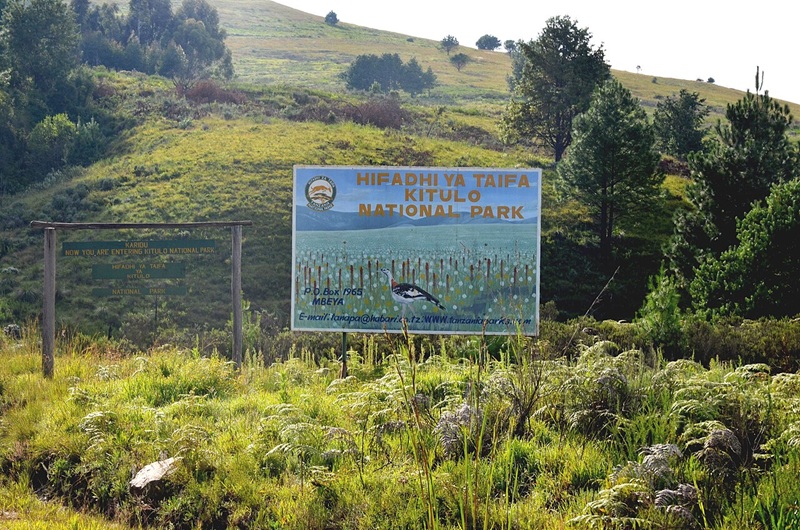
Kitulo National Park, located in southern Tanzania, is famously known as the “Garden of God” due to its extraordinary floral diversity and highland grasslands. Covering approximately 412 square kilometers (159 square miles), the park is renowned for its unique alpine meadows, endemic plant species, and montane wildlife. Kitulo is a premier destination for tourists seeking botanical exploration, hiking adventures, and tranquil wildlife encounters in a cooler, less-visited part of Tanzania.


History of Kitulo National Park

Kitulo was officially designated as a national park in 2005, previously forming part of the southern highland forest reserves. The area gained recognition for its rich botanical diversity, with hundreds of endemic orchids and wildflowers, some flowering only in the rainy season. Historically, local communities, including the Wanji and Pangwa peoples, relied on the highlands for small-scale farming, grazing, and honey collection, practices that continue in buffer zones outside the park. Establishing the park aimed to protect unique ecosystems while promoting eco-tourism and conservation.


Geography and Area Coverage

  • Total Area: 412 square kilometers (159 square miles).
  • Topography: Rolling highland plateaus, deep valleys, montane grasslands, and forest patches.
  • Elevation: Between 2,600 meters (8,530 feet) and 2,962 meters (9,718 feet), creating a temperate highland climate.
  • Rivers and Wetlands: Numerous seasonal streams feed the Kitulo Plateau, supporting rich floral growth.
  • Climate: Cooler than most of Tanzania, with temperatures ranging 10°C to 25°C. Wet season spans November to May, the best time for viewing wildflowers.

Kitulo’s altitude and fertile soils create ideal conditions for diverse plant communities and montane-adapted wildlife, making it a unique ecological niche.


How to Get There

  • From Mbeya: Approximately 50 km (31 miles), about 1–2 hours by road via 4×4 or rugged vehicles.
  • From Iringa: Roughly 300 km (186 miles), a 6–7 hour drive.
  • Air Travel: The nearest airports are Mbeya Airport or Songwe Airport, followed by road transfer.

Due to its remote location in the southern highlands, visiting Kitulo requires careful planning, but its isolation ensures a peaceful and less crowded wildlife experience.


Wildlife and Ecology

Flora

Kitulo is internationally recognized for its flowering meadows, particularly:

  • Over 350 species of orchids, many endemic.
  • Protea species, lilies, and violets that bloom in the wet season.
  • Grasslands interspersed with montane forests, ferns, and medicinal plants.

Mammals

The montane grasslands and forest patches support:

  • Baboons, bushbucks, duikers, and small carnivores.
  • Occasional sightings of hyenas and leopards.

Birds

Kitulo hosts over 200 bird species, including:

  • Endemic montane species, such as the Tanzanian red-capped robin-chat.
  • Raptors, sunbirds, and migratory birds frequenting the highland meadows.

The park’s ecosystems are particularly fragile and specialized, offering ecotourists a rare opportunity to explore Tanzania’s montane biodiversity.


Attractions and Key Features

  • Flower Viewing
  • The primary attraction is the seasonal wildflower bloom across the Kitulo Plateau. Peak blooming occurs December to March, when meadows explode with color, making it a botanical paradise for photographers and nature enthusiasts.
  • Hiking and Trekking
  • Numerous hiking trails traverse montane forests, grasslands, and valleys, providing opportunities to spot endemic plants, birds, and mammals. Trails range from half-day walks to multi-day excursions, with stunning views of the southern highlands.
  • Cultural Encounters
  • Local communities maintain traditional farming and honey-gathering practices. Visitors can learn about indigenous agricultural methods, medicinal plants, and cultural traditions, providing context to the ecological richness of Kitulo.


Common Activities

  • Flora and Bird Watching
  • Guided tours highlight endemic plant species, orchids, and highland birds, offering educational experiences in ecology and conservation.
  • Hiking and Nature Exploration
  • Visitors can trek across scenic valleys, grasslands, and forest patches, with opportunities for photography, wildlife spotting, and environmental education.
  • Eco-tourism and Conservation Learning
  • Guided tours emphasize sustainable tourism, habitat preservation, and community involvement, allowing tourists to contribute to local conservation initiatives.


Culture and Local Communities

The highland communities, including Wanji and Pangwa peoples, live in small villages surrounding Kitulo. They rely on subsistence farming, livestock grazing, and traditional ceremonies. Cultural tours provide insight into highland traditions, community-based conservation, and local crafts, integrating ecological tourism with social learning.


Practical Visitor Information

  • Best Time to Visit: Wet season December to March for flowers; dry season June to October for trekking and wildlife spotting.
  • Fitness Requirements: Moderate; trails range from gentle walks to steep climbs across highland plateaus.
  • Permits and Fees: Required for park entry and guided trekking tours.
  • Accommodation: Nearby eco-lodges, guesthouses, and campsites offer proximity to Kitulo while supporting community tourism.


Why Visit Kitulo National Park

Kitulo National Park is a unique highland destination offering unparalleled opportunities to explore endemic flora, montane wildlife, and pristine landscapes. Its combination of flower meadows, trekking trails, birdwatching, and cultural encounters makes it ideal for tourists seeking a serene and educational safari experience in southern Tanzania.


 

Read reviews

Follow us

We accept