Tel: +255 759 945 320
home > Top Travel Attractions > Zanzibar Island
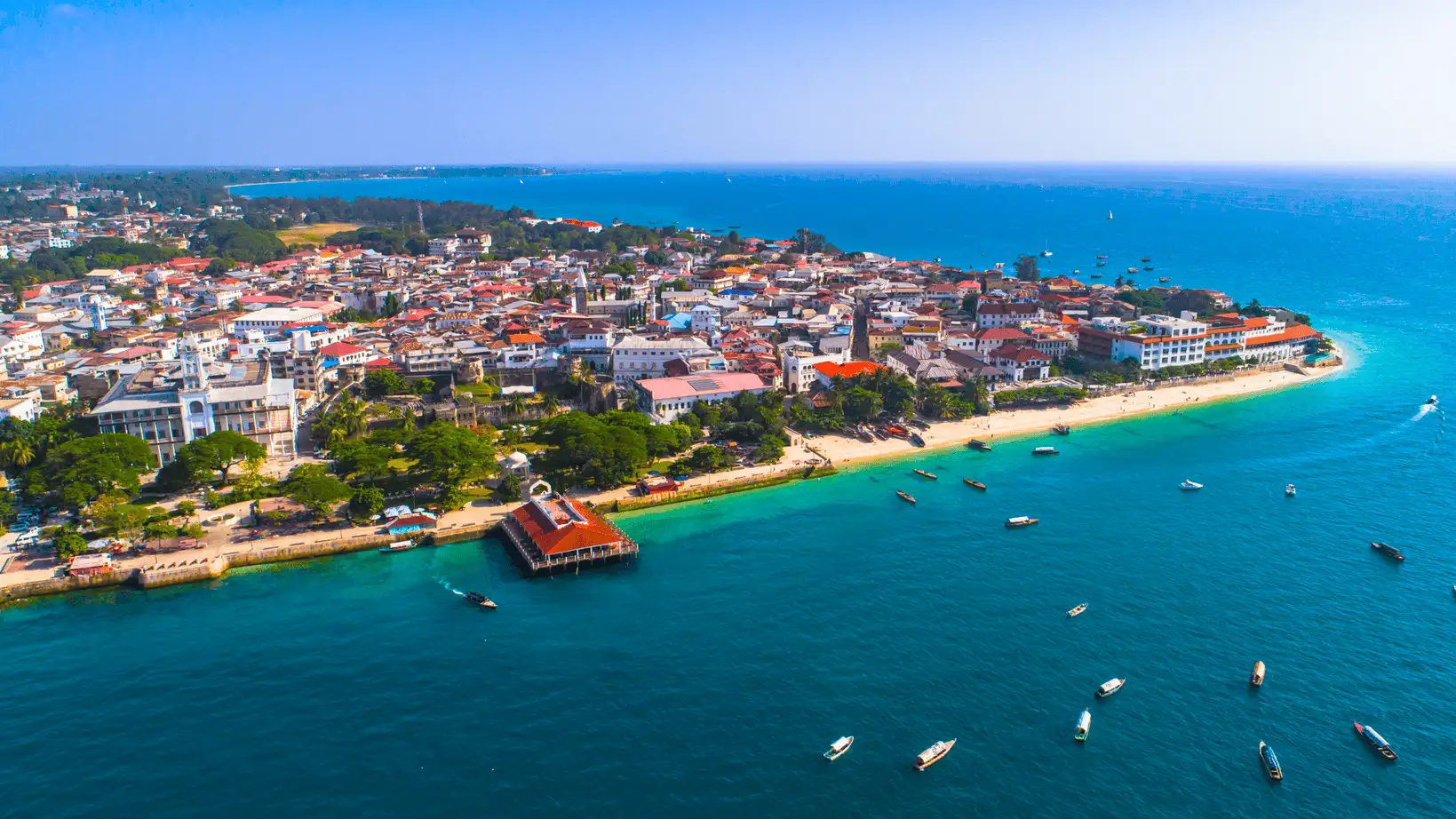
Zanzibar Island, also known as Unguja, is one of the most enchanting destinations in East Africa, located about 36 kilometers (22 miles) off the Tanzanian mainland in the Indian Ocean. The island covers approximately 1,666 square kilometers (643 square miles) and forms part of the Zanzibar Archipelago, alongside Pemba and several smaller islets. Renowned for its pristine white sand beaches, turquoise waters, historic Stone Town, and spice plantations, Zanzibar is both a cultural and ecological treasure.
History of Zanzibar Island
Zanzibar’s history is a fascinating blend of African, Arab, Persian, and European influences, shaped by centuries of maritime trade. From as early as the 8th century, the island was a major hub for Swahili culture and Indian Ocean commerce, attracting traders from Arabia, India, and Persia. In the 17th century, Zanzibar became part of the Omani Sultanate, establishing itself as the world’s leading exporter of spices, ivory, and slaves.
The Stone Town area, a UNESCO World Heritage Site since 2000, showcases this layered history through its labyrinthine streets, coral stone houses, carved wooden doors, and Arab style architecture. The island later became a British protectorate until independence in 1963 and its union with Tanganyika to form the United Republic of Tanzania in 1964. Today, Zanzibar stands as a living museum of East African heritage and a symbol of cultural coexistence.
Geography and Area Coverage
Zanzibar’s diverse geography includes white sandy beaches, coral reefs, mangrove forests, tropical plantations, and small rolling hills, creating habitats for both marine and terrestrial wildlife.
How to Get There
Zanzibar is easily accessible by air and sea:
Attractions and Key Highlights
Stone Town is the historic heart of Zanzibar, filled with ancient buildings, narrow alleys, and lively markets. Key attractions include:
Walking through Stone Town offers a journey through time, revealing the island’s rich Swahili Arabic heritage.
Zanzibar’s nickname, the “Spice Island,” comes from its vast spice farms producing cloves, nutmeg, cinnamon, vanilla, and cardamom. Spice tours allow visitors to see, smell, and taste various spices while learning about their uses in medicine, food, and cosmetics.
Located about 35 km south of Zanzibar City, this park is home to the endangered red colobus monkey, mangrove swamps, and tropical forests. It is the only national park on the island and plays a key role in biodiversity conservation.
Zanzibar boasts some of the most beautiful beaches in the world:
This small island off Zanzibar’s northeast coast offers exceptional snorkeling and diving opportunities, with vibrant coral reefs, sea turtles, and tropical fish. It’s a protected marine park famous for underwater photography and marine life.
Culture and People
The people of Zanzibar are predominantly Swahili, with a blend of Arab, African, and Indian ancestry. The Swahili language, infused with Arabic words, reflects this multicultural heritage. Islam is the dominant religion, and the island’s culture is characterized by modesty, hospitality, and traditional Swahili music and dance such as Taarab.
Zanzibar’s festivals, including the Sauti za Busara Music Festival and Zanzibar International Film Festival (ZIFF), celebrate African and coastal creativity through art, film, and performance.
Ecology and Biodiversity
Zanzibar’s ecosystem is a mixture of marine and terrestrial habitats, featuring coral reefs, mangrove forests, lagoons, and tropical woodlands.
Sustainable tourism initiatives are in place to protect these delicate ecosystems through eco lodges, marine conservation, and community based programs.
Common Activities in Zanzibar
Each of these activities provides a chance to experience Zanzibar’s natural beauty, rich culture, and eco conscious tourism practices.
Practical Visitor Information
Why Visit Zanzibar Island
Zanzibar is more than a tropical paradise—it’s a destination where history, culture, and nature intertwine. From the coral stone streets of Stone Town to the spice scented plantations and turquoise beaches, the island offers a diverse and enriching experience for every traveler. Whether you seek relaxation, adventure, or cultural exploration, Zanzibar remains the crown jewel of Tanzania’s coastal beauty.
Cheetah Chase Safaris invites travelers to explore Zanzibar Island through expertly curated tours, blending heritage, marine exploration, and relaxation for an unforgettable Tanzanian experience.


Tel: +255 759 945 320
Email: sales@cheetahchasesafaris.com