Experiencing Tanzania’s Rural Heartland
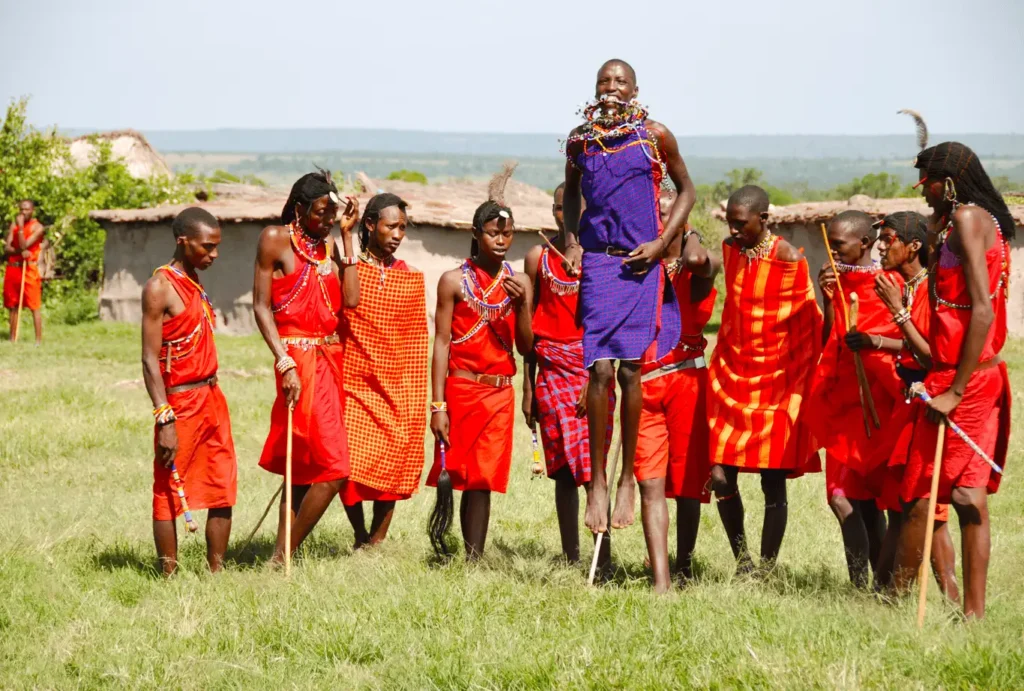
A visit to villages and bomas in Tanzania offers tourists an immersive cultural experience beyond wildlife safaris. Villages, or bomas, are traditional homesteads where local communities such as the Maasai, Datoga, and Hadzabe live, farm, and maintain their ancestral customs. These visits provide insight into rural lifestyles, traditional ceremonies, local crafts, cuisine, and the daily routines that have shaped Tanzanian culture for centuries.
For travelers seeking authentic experiences, village visits complement game drives, mountain climbs, and lake excursions, providing a holistic understanding of Tanzania’s people and landscapes.
Where to Visit Villages and Bomas
- Maasai Villages near Tarangire and Ngorongoro
- Location: Around Tarangire National Park and Ngorongoro Conservation Area.
- What to See: Traditional Maasai bomas with circular huts made from mud, sticks, and cow dung; women making beadwork and carrying out daily chores; men tending cattle or performing stick dances.
- Travel Time: From Arusha, approximately 2–3 hours by 4×4, depending on the village location.
- Datoga Villages
- Location: Southern parts of the Ngorongoro Highlands.
- Highlights: Blacksmithing, cattle herding, and unique iron jewelry. These semi-nomadic pastoralists maintain traditional herding practices and community structures.
- Hadzabe and Other Hunter-Gatherer Communities
- Location: Near Lake Eyasi in the central Rift Valley.
- Highlights: Observation of foraging, tracking, and bush cooking techniques. Often combined with short bush walks to see natural resource use.
- Rural Villages near Arusha and Manyara
- Location: Around the base of Mount Meru or Lake Manyara.
- Highlights: Agricultural practices, banana and maize farming, local cooking classes, and interaction with children and elders.
Typical Duration and Itinerary
Half-Day Village Visit
- Duration: 3–4 hours, ideal for morning or afternoon excursions.
- Sample Itinerary:
- 07:30 AM Depart lodge for the village.
- 08:30 AM Arrive at boma, greeted by elders and community representatives.
- 08:45–10:30 AM Walk through the village, observe daily life, interact with residents, view traditional huts, and learn about cultural practices.
- 10:30–11:00 AM Participate in optional local dance, song, or craft demonstration.
- 11:00 AM Return to lodge or transfer to next activity.
Full-Day Cultural Immersion
- Duration: 6–8 hours.
- Activities Include:
- Extended village tours and storytelling sessions.
- Traditional cooking classes with a home-prepared lunch.
- Participation in local craft-making or beadwork sessions.
- Interaction with livestock, maize or banana farming demonstrations.
- Optional hiking to nearby hills or water points with guidance from villagers.
What to Expect During a Village/Boma Visit
- Interaction: Guided walks through homesteads, observing domestic and farming routines.
- Ceremonial Displays: Maasai stick dances, singing, initiation rituals (if consented), and craft exhibitions.
- Learning Opportunities: Traditional medicine use, food preparation, local architecture, and sustainability practices.
- Tour Group Size: Smaller groups (2–10 people) are preferred to minimize disturbance and ensure meaningful interactions.
What to Bring
- Neutral-colored clothing: Khaki, olive, or earth tones to blend with the environment.
- Comfortable shoes: Closed-toe shoes suitable for walking on uneven terrain.
- Sun protection: Hat, sunglasses, and sunscreen.
- Water and snacks: At least 1 liter per person for half-day visits; more for full-day tours.
- Camera & binoculars: Respectful photography is encouraged, but always ask permission before taking pictures of individuals, especially children.
- Small backpack: For personal items and guide handouts.
- Small cash (local currency): For community fees, tips, or purchasing crafts.
Health & Safety Considerations
- Fitness: Moderate walking is usually required; uneven or sandy terrain is common.
- Vaccinations: Up-to-date routine vaccines recommended; malaria prophylaxis if visiting endemic areas.
- Hygiene: Carry hand sanitizer and toilet paper; facilities may be basic or absent.
- Environmental awareness: Avoid stepping on cultivated plots or disrupting livestock.
Do’s and Don’ts During Village Visits
Do:
- Respect community customs and privacy.
- Follow the guidance of your local guide.
- Ask before taking photos of people or private activities.
- Support the community through craft purchases or participation in paid demonstrations.
- Be open and engage politely in conversations or activities offered.
Don’t:
- Avoid giving gifts or money directly to individuals without prior approval it can create conflict.
- Do not disturb livestock or interfere with farming activities.
- Avoid loud noises or music; respect the tranquil rural environment.
- Never pressure villagers to perform or stage activities for tourists.
Seasonal Considerations
- Dry season (June–October): Best for walking, clear paths, and sunny conditions.
- Green season (November–May): Lush landscapes, fewer tourists, excellent photography opportunities.
- Daily timing: Morning visits (07:30–11:00) are cooler and coincide with village activity peaks. Afternoon visits (2:00–5:00 PM) offer relaxed interaction with women cooking and children playing.
Cultural Impact and Ethical Tourism
Village and boma visits should benefit the host communities by providing income through tour fees, craft sales, and ethical tipping. Well-planned visits also encourage the preservation of traditional knowledge, architecture, and customs. Choosing responsible operators like Cheetah Chase Safaris ensures that interactions are sustainable, respectful, and meaningful.
Booking with Cheetah Chase Safaris
Cheetah Chase Safaris arranges village and boma visits with a focus on cultural authenticity, ethical engagement, and visitor safety. Our itineraries can be tailored for half-day, full-day, or multi-day combinations with wildlife safaris, mountain hikes, or local market tours. All visits are coordinated with local leaders to maintain respect for traditions and privacy.
Connecting with Tanzania’s People
Visiting villages and bomas in Tanzania offers a rare opportunity to step into the lives of local communities, understand rural livelihoods, and experience traditions that have endured for generations. These visits complement wildlife safaris and other natural excursions, making your Tanzanian adventure more holistic and memorable. By traveling responsibly, observing local customs, and supporting communities ethically, your visit will leave a positive impact while creating lifelong memories.