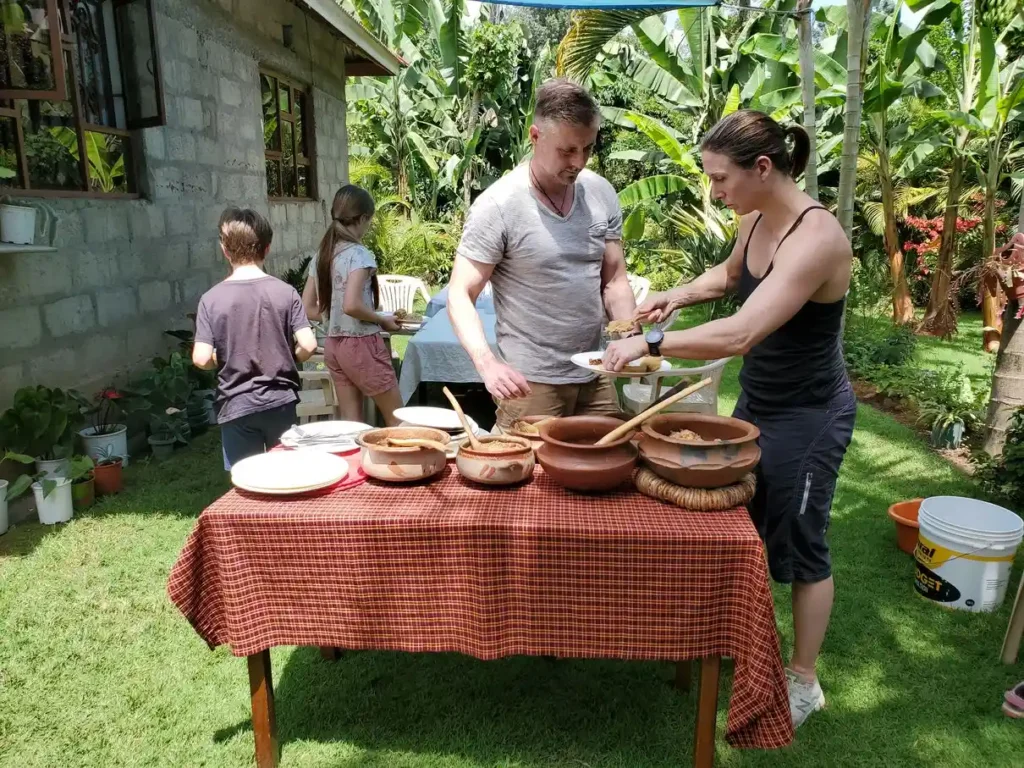
Exploring Local Culinary Experiences in Tanzania & Zanzibar
Tanzania is celebrated worldwide for its wildlife safaris, pristine beaches, and vibrant culture. Equally captivating is its rich culinary heritage, which offers tourists an immersive experience into local flavors, cooking techniques, and food traditions. From bustling markets in Arusha to fragrant spice farms in Zanzibar, participating in local culinary experiences provides a unique and hands-on insight into Tanzanian life.
What Are Local Culinary Experiences?
Local culinary experiences in Tanzania and Zanzibar involve guided activities where tourists engage directly with local communities to explore traditional food preparation, tasting, and cultural practices. These experiences include:
- Tanzanian and Zanzibari cooking classes – learn to prepare traditional dishes such as Ugali, Sukuma Wiki, Nyama Choma, Pilau, Zanzibar Pizza, and Spice-Infused Seafood.
- Market tours – explore colorful local markets to discover fresh vegetables, tropical fruits, spices, and seafood.
- Spice farm visits in Zanzibar – witness the origin of spices such as cloves, nutmeg, cinnamon, and cardamom, and learn how they are used in local cuisine.
- Village walks and food tastings – engage with local families, sample home-cooked meals, and understand food traditions.
- Coffee tours in mainland Tanzania – visit coffee plantations, see the harvesting and roasting process, and enjoy freshly brewed local coffee.
These experiences are not only about food they are a cultural journey that connects visitors to the history, traditions, and daily life of Tanzanians and Zanzibaris.
Duration and Timing
Culinary experiences vary in duration depending on the type of activity:
- Cooking classes: 2–3 hours, including preparation, cooking, and tasting.
- Market tours: 1–2 hours, ideal for exploring fresh produce and interacting with vendors.
- Spice farm tours in Zanzibar: 2–3 hours, including guided walks and sampling fresh spices.
- Village walks with local meals: 3–5 hours, combining exploration and hands-on culinary experiences.
- Coffee tours: 2–3 hours, from bean picking to brewing.
Tours often start in the morning between 8:00 AM and 9:00 AM, when markets are lively and ingredients are fresh. Afternoon sessions are also available for cooking classes and spice farm visits.
What to Bring
To make the most of your culinary experience, visitors should bring:
- Comfortable walking shoes – essential for market tours, village walks, and farm visits.
- Light, breathable clothing – suitable for tropical climates in both mainland Tanzania and Zanzibar.
- Hat and sunscreen – necessary for sun protection during outdoor activities.
- Reusable water bottle – to stay hydrated throughout the tour.
- Camera or smartphone – for capturing vibrant markets, dishes, and scenic farm locations.
- Notebook and pen – useful for taking notes on recipes and cooking tips.
- Small backpack – to carry purchases from markets or spices from farm visits.
What to Expect and Do
Tourists participating in local culinary experiences can expect:
- Hands-on cooking classes – prepare traditional dishes under the guidance of experienced local chefs.
- Authentic tasting sessions – sample dishes like Ugali with Sukuma Wiki, Zanzibari Pilau, seafood curry, or freshly roasted coffee.
- Market exploration – learn how to select fresh ingredients, negotiate prices, and understand local food culture.
- Cultural immersion – engage with local families and understand the traditions behind recipes, such as spice combinations and ceremonial dishes.
- Scenic experiences – enjoy cooking or dining in natural settings, such as waterfalls in Arusha or spice farms in Zanzibar.
During a Zanzibar spice farm tour, tourists can smell and taste fresh spices directly from the plants, gaining knowledge about their culinary and medicinal uses. Cooking classes typically involve a complete meal preparation, allowing tourists to experience everything from ingredient selection to cooking and presentation.
What to Avoid
To ensure a smooth and enjoyable culinary experience:
- Avoid wearing high heels or uncomfortable shoes.
- Refrain from bringing large bags that may hinder movement in markets or kitchens.
- Avoid rushing take time to engage with locals and fully appreciate the cooking process.
- Be open to tasting new and unfamiliar foods, as they are integral to the cultural experience.
- Do not skip hygiene precautions; wash hands before cooking or eating, especially when engaging in hands-on classes.
Benefits of Local Culinary Experiences
Participating in local culinary experiences offers multiple benefits:
- Cultural understanding – learn about Tanzanian and Zanzibari traditions, food history, and local daily life.
- Cooking skills – gain practical knowledge on authentic recipes and techniques.
- Support for local communities – tour fees contribute directly to small businesses, farms, and local families.
- Memorable travel experience – beyond sightseeing, culinary tours create lasting personal and cultural memories.
- Flavorful souvenirs – take home knowledge of spices, recipes, and culinary insights to recreate the experience at home.
Booking and Pricing
Local culinary experiences in Tanzania and Zanzibar are available for individuals, couples, and groups:
- Cooking classes (Tanzania or Zanzibar): $15–$20 per person.
- Coffee tours, market walks, or spice farm visits: $30–$35 per person.
- Full-day experiences combining cooking classes, market visits, and village tours: $40–$45 per person.
Discounted rates are available for groups of six or more, making it an ideal activity for families, friends, or small tour groups.
Final Thoughts
Experiencing local culinary tours in Tanzania and Zanzibar is more than just a food adventure it is an immersive journey into the heart of East African culture. From preparing traditional meals to exploring vibrant markets and fragrant spice farms, tourists gain hands-on knowledge, unforgettable experiences, and deep appreciation for Tanzanian and Zanzibari life.
For travelers seeking a unique, interactive, and culturally enriching adventure, Cheetah Chase Safaris recommends including local culinary experiences and cooking classes in your itinerary. These tours are perfect for food enthusiasts, culture lovers, and anyone eager to bring the authentic taste of Tanzania and Zanzibar home with them.