Tel: +255 759 945 320

home > Top Travel Attractions > Gombe Stream National Park
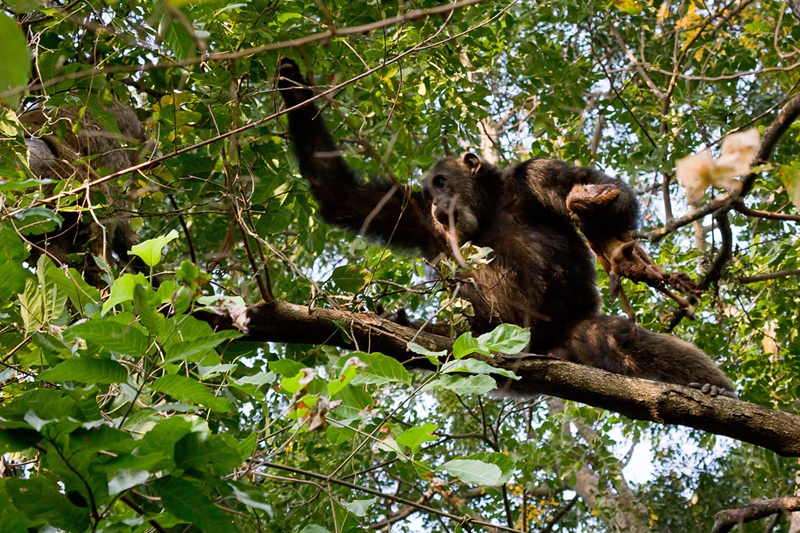
Gombe Stream National Park, located along the eastern shores of Lake Tanganyika in western Tanzania, is one of the country’s most iconic wildlife destinations, renowned for chimpanzee trekking and primate research. Covering an area of approximately 35 square kilometers (13.5 square miles), the park is Tanzania’s smallest national park but offers a highly intimate and immersive wildlife experience. Visitors come to Gombe not only to observe chimpanzees in their natural habitat but also to enjoy the park’s lush forests, river valleys, waterfalls, and lakefront scenery.
History of Gombe Stream National Park
Gombe Stream gained international recognition through the pioneering work of Jane Goodall, who began her study of wild chimpanzees in 1960. Her research provided groundbreaking insights into primate behavior, social structures, and intelligence. Recognizing the ecological and scientific importance of the area, the Tanzanian government designated Gombe as a national park in 1968, making it a protected sanctuary for chimpanzees and other wildlife. Today, it remains a center for primate conservation, research, and eco-tourism.
Geography and Area Coverage
The park’s small size and steep terrain make it a unique and concentrated wildlife experience, allowing visitors to observe chimpanzees and other species up close.
How to Get There
Gombe Stream is remote and requires careful planning:
The journey to Gombe is part of the adventure, providing views of local fishing villages, lake life, and untouched landscapes.
Wildlife and Ecology
Chimpanzees
Gombe Stream is home to over 100 wild chimpanzees, habituated for observation. Guided treks allow visitors to watch chimpanzees in their natural behavior, including foraging, grooming, and social interactions. Trekking is regulated to protect both animals and visitors, with daily observation limits of one hour per group.
Other Mammals
Birds
The park hosts more than 200 bird species, including African fish eagles, hornbills, kingfishers, and turacos, making it ideal for birdwatchers.
Vegetation
Gombe Stream features tropical rainforest, riparian forests along streams, and secondary forest areas. The forest provides critical habitat for chimpanzees and supports diverse flora including fig trees, mahogany, ferns, and lianas.
Attractions and Key Features
Chimpanzee Trekking
The primary attraction, chimpanzee trekking involves guided hikes along forest trails to locate and observe chimpanzee communities. Treks typically last 2–5 hours, depending on terrain and animal movement.
Waterfalls and Forest Trails
Scenic waterfalls, including Kalilani and Katumbi, are accessible via hiking trails and offer opportunities for photography and relaxation. Forest trails provide insight into tropical ecosystems and plant biodiversity.
Lake Tanganyika
The park’s lakeshore offers tranquil views and opportunities for swimming, canoeing, and lake photography. The contrast of steep forested slopes and lake waters creates a dramatic and picturesque setting.
Common Activities
Guided Wildlife Treks
Visitors explore forest and lake trails accompanied by experienced park guides. These treks focus on wildlife observation, ecological education, and sustainable tourism practices.
Birdwatching
Early mornings are ideal for spotting forest and lake birds, including endemic and migratory species.
Nature Photography
The dense rainforest, waterfalls, and lake scenery provide unique photography opportunities. Photographers can capture chimpanzee behavior and forest landscapes in intimate detail.
Research and Conservation Learning
Visitors can learn about Jane Goodall’s conservation efforts, ongoing chimpanzee research, and community-based conservation initiatives.
Culture and Local Communities
The Gombe region is sparsely populated, with small villages of Fipa and Ha communities living along the lake. These communities practice traditional fishing and subsistence agriculture. Visitors can engage with locals to learn about lake-based livelihoods, cultural traditions, and sustainable practices that support conservation efforts in the park.
Practical Visitor Information
Why Visit Gombe Stream National Park
Gombe Stream National Park offers an intimate and educational wildlife experience. Visitors witness chimpanzees in their natural environment, explore lush tropical forests, and enjoy the scenic beauty of Lake Tanganyika. The park is ideal for researchers, wildlife enthusiasts, and adventure travelers seeking a unique and immersive safari experience in western Tanzania.


Tel: +255 759 945 320
Email: sales@cheetahchasesafaris.com