Tel: +255 759 945 320
home > Top Travel Attractions > Mount Kilimanjaro National Park
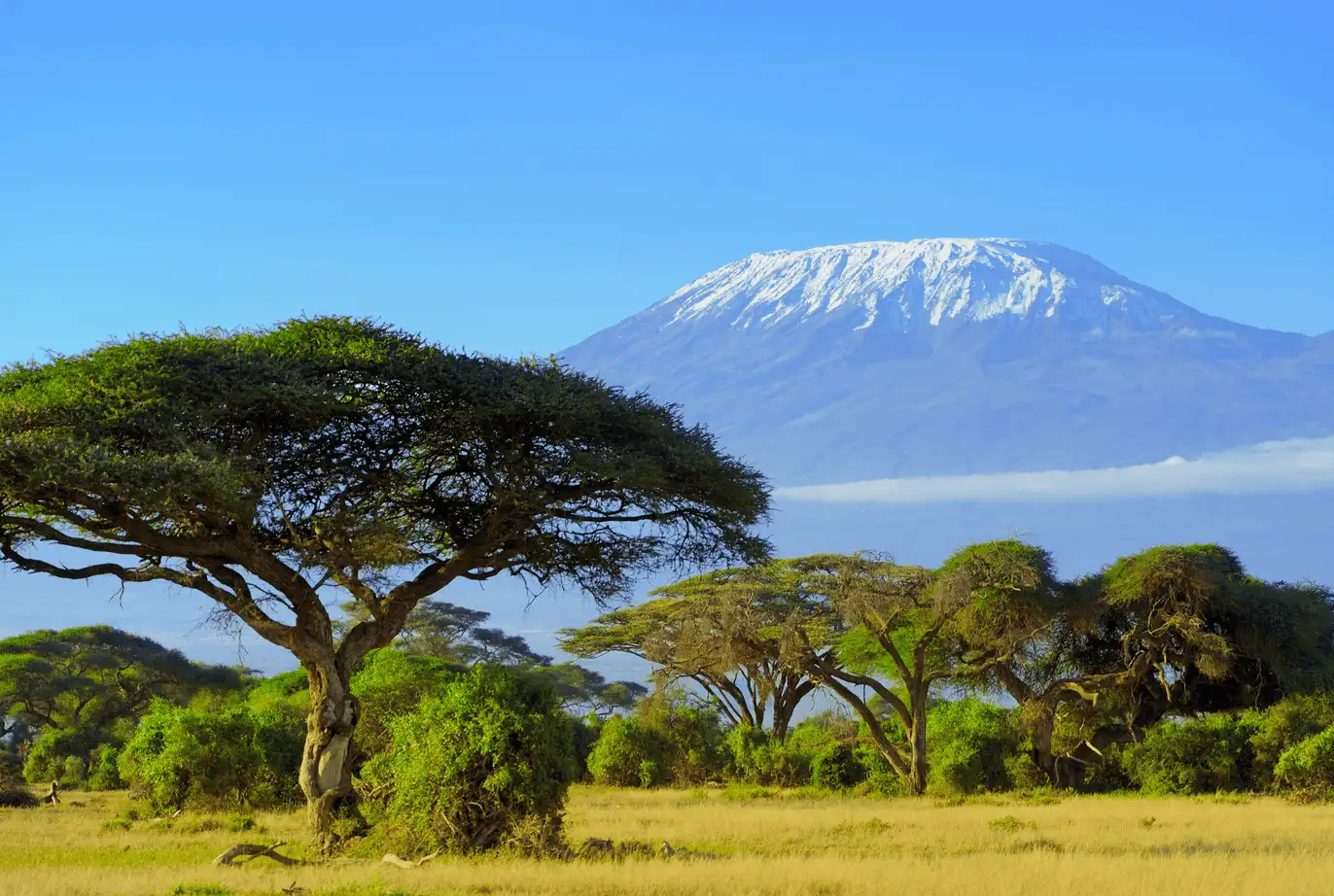
The Mount Kilimanjaro National Park, located in northern Tanzania near the Kenya border, is home to Mount Kilimanjaro, Africa’s tallest mountain at 5,895 meters (19,341 feet) above sea level. The park covers an area of 1,688 square kilometers (652 square miles) and features diverse ecosystems ranging from tropical rainforest and alpine moorlands to arctic summit conditions. Kilimanjaro is not only a bucket-list trekking destination but also a UNESCO World Heritage site celebrated for its biodiversity, cultural significance, and geological prominence.
SEO keywords: Mount Kilimanjaro National Park, Kilimanjaro trekking, Tanzania mountain safari, Mount Kilimanjaro climb, northern Tanzania adventure, Kilimanjaro eco-tourism.
History of Mount Kilimanjaro National Park
Mount Kilimanjaro has been recognized as a conservation area since 1973, when the Tanzanian government gazetted it as a national park. UNESCO designated it as a World Heritage Site in 1987 due to its ecological, geological, and cultural importance. Historically, the Chagga people lived on the fertile lower slopes, cultivating crops such as coffee and bananas while maintaining cultural and spiritual connections to the mountain. The park was created to protect Kilimanjaro’s unique ecosystems, including its shrinking ice cap, forests, and endemic wildlife, while promoting sustainable tourism and mountaineering.
Geography and Area Coverage
The park’s vertical span creates a unique opportunity for tourists to experience multiple ecosystems within a single trekking adventure, from tropical forests to snow-capped peaks.
How to Get There
Mount Kilimanjaro National Park is highly accessible relative to its remote terrain:
Access is facilitated by well-maintained roads and a variety of tour operators offering guided treks, ensuring a smooth journey to the base camps.
Wildlife and Ecology
Mammals
While Kilimanjaro is best known for trekking, the park also supports several mammal species:
Birds
Over 150 bird species thrive on Kilimanjaro’s slopes, including turacos, sunbirds, raptors, and endemic high-altitude species. Birdwatchers can enjoy early morning hikes through montane forest and moorland zones.
Flora
The mountain’s ecological gradients create distinct habitats, supporting species adapted to temperature extremes and elevation.
Attractions and Key Features
Mount Kilimanjaro Summit
The summit, Uhuru Peak, is the main attraction, offering panoramic views of the Tanzanian plains and the Kenyan border. Summit climbs typically take 5–9 days, depending on the chosen route and acclimatization schedule. Popular routes include Marangu, Machame, Lemosho, Shira, Rongai, and Umbwe.
Glaciers and Ice Fields
The retreating glaciers on Kilimanjaro provide a striking contrast to the tropical forests below. Trekkers encounter these ice formations primarily in the summit zone above 5,000 meters.
Lower Slopes and Chagga Villages
The fertile lower slopes are dotted with coffee plantations and small villages where tourists can learn about the Chagga culture, traditional farming methods, and local cuisine.
Common Activities
Trekking and Mountaineering
Trekking is the park’s primary activity. Routes range from challenging Machame and Umbwe paths to moderate Marangu route with hut accommodations. Guides and porters are mandatory to ensure safety and adherence to park regulations.
Nature Walks and Photography
Shorter day hikes in montane forest and moorland zones are suitable for those seeking nature walks, birdwatching, and photography without committing to a full summit climb.
Cultural Experiences
Visitors can visit Chagga villages, participate in coffee tours, and explore traditional markets. These cultural experiences provide insight into the historical and spiritual significance of Mount Kilimanjaro.
Eco-tourism and Education
The park promotes sustainable tourism practices. Visitors learn about climate change, glacier retreat, and conservation of unique ecosystems.
Culture and Local Communities
The Chagga people are the primary community around Kilimanjaro. They practice small-scale agriculture, growing bananas, coffee, and vegetables. Their rich culture includes traditional dances, rituals, and a deep spiritual connection to the mountain. Many tours incorporate village visits, coffee farm tours, and cultural storytelling, offering a complete experience beyond trekking.
Practical Visitor Information
Why Visit Mount Kilimanjaro National Park
Mount Kilimanjaro National Park combines adventure, natural beauty, and cultural immersion. It is the ultimate destination for trekking enthusiasts, nature photographers, and travelers seeking one of Africa’s most iconic landscapes. From the lush montane forests to the frozen summit, Kilimanjaro offers experiences that are thrilling, educational, and unforgettable.


Tel: +255 759 945 320
Email: sales@cheetahchasesafaris.com