Tel: +255 759 945 320
home > Top Travel Attractions > Pemba Island
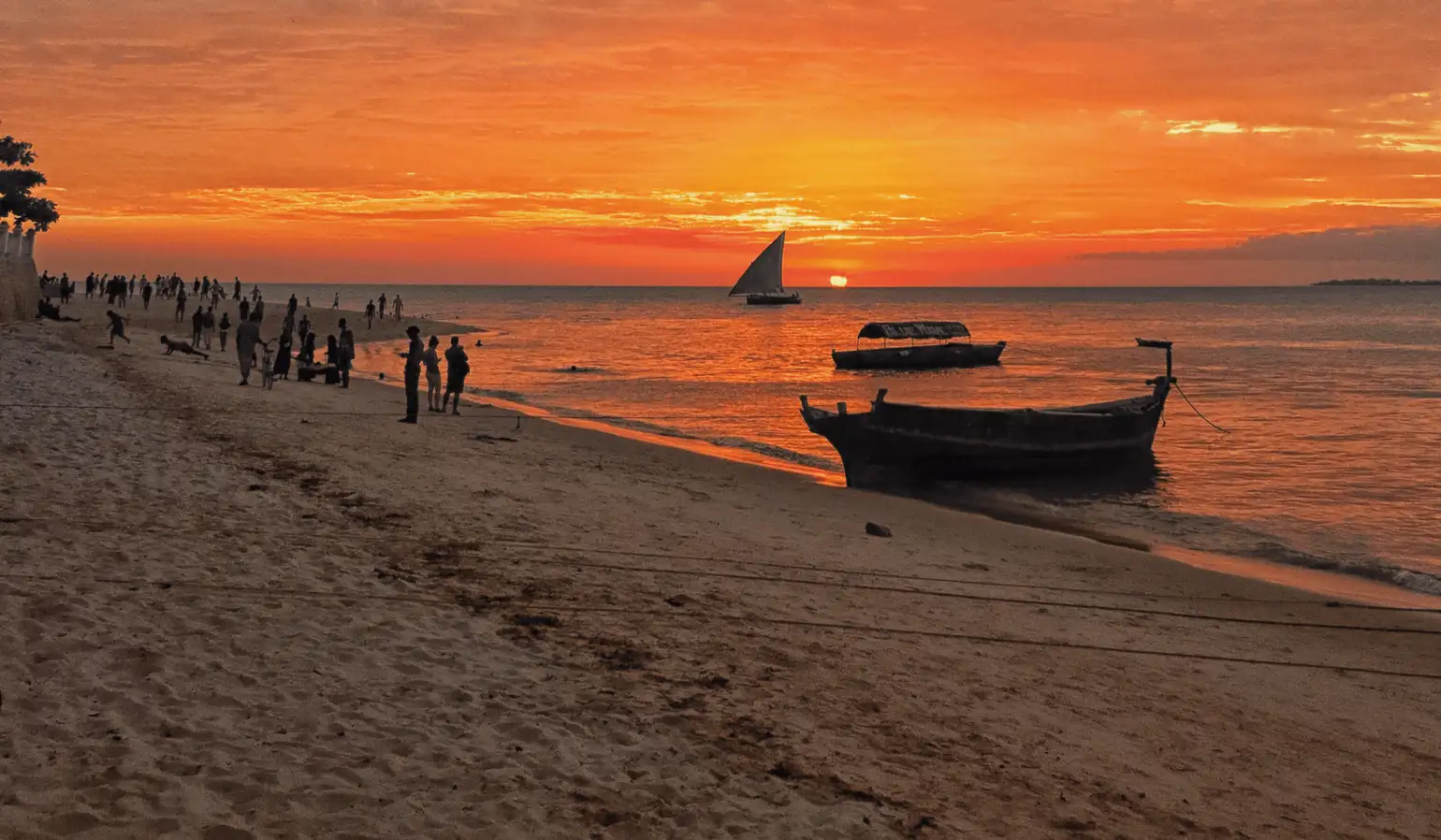
Pemba Island, part of the Zanzibar Archipelago, is a lush, less-visited island in the Indian Ocean celebrated for its dense clove plantations, pristine coral reefs, and intact rainforests. Often called the “green island,” Pemba offers a quieter, more authentic alternative to Unguja (Zanzibar): dramatic underwater life for divers, rich agricultural landscapes, and culturally rich villages. The island is ideal for travelers seeking marine biodiversity, birdwatching, cultural immersion, and nature-based conservation tourism.
Quick facts at a glance
History and Cultural Context
Pemba has a long Swahili and Indian Ocean history as a trading and agricultural island. For centuries it was a key node in the spice trade particularly cloves, nutmeg and cinnamon and traces of Arab and Persian influence remain visible in local architecture, place names and culture. Plantation systems introduced in the 19th century shaped the island’s landscape and economy; today clove farming still plays a central role in daily life. Local communities are predominantly Swahili Muslim, and traditional customs, music and crafts remain strong across villages and market towns.
Geography and Landscape
Pemba is irregularly shaped with an indented coastline of bays, mangrove estuaries and coral fringes. The interior is notably fertile and green:
The island’s combination of fertile soils and stable rainfall supports continuous agriculture and a rich mosaic of coastal habitats.
How to get there travel times & logistics
Book domestic flights or ferry seats in advance, especially during high season.
Wildlife and Ecology
Marine biodiversity
Pemba’s reefs are among the healthiest in the region. Divers and snorkelers can expect:
Misali Island Marine Reserve is the flagship marine conservation zone, with clear water, seagrass beds and key nursery habitats.
Terrestrial and endemic species
Conservation priorities on Pemba focus on protecting forest fragments, mangroves, and reef habitats while supporting sustainable fisheries and community stewardship.
Attractions and must-see places
Misali Island and Marine Reserve
A short boat ride from the west coast, Misali offers world-class snorkeling and diving across coral gardens, channels and shallow walls. It’s a protected area noted for reef health and seagrass meadows.
Ngezi Forest Reserve
One of East Africa’s rare remaining lowland evergreen forests, Ngezi supports endemic plants and the Pemba flying fox. Trails provide birdwatching and guided nature walks.
Clove plantations and village life
Tour spice farms to see how cloves, cinnamon, nutmeg and black pepper are grown and processed. Village markets and homestays provide authentic cultural experiences and local cuisine.
Chake-Chake & Wete towns
Explore market life, local crafts, historic sites, and seafront views. Wete’s quay and Chake-Chake’s market are excellent for sampling local seafood and spice products.
Ras Mkumbuu and ancient ruins
Coastal promontories and small archaeological remains, including early Swahili settlement traces, give visitors context for Pemba’s trading past.
Common activities for visitors
Pemba is a diver’s island: reef dives, wall dives, macro photography and drift dives are widely available. Dive centres operate around main towns and at select lodges.
Guided walks in Ngezi Forest and coastal mangroves focus on endemic birds, fruit bats and forest ecology.
Visit clove plantations, attend village cooking demonstrations, and attend local markets to experience daily life and traditional handicrafts.
Day trips to Misali, sandbanks and remote beaches for snorkeling, picnics and beachcombing.
Community-run fishing trips, catch-and-release options and supervised visits to local fisheries to learn about management practices.
Best time to visit
Accommodation and visitor facilities
Pemba offers a range of accommodations from eco-lodges and boutique beachfront resorts to simple guesthouses in Chake-Chake and Wete. Many properties emphasize low-impact tourism, local staffing and inclusion of community excursions. Facilities in remoter areas can be basic expect limited bandwidth and intermittent power in some lodges.
Culture, communities and responsible travel
Pemba’s cultural fabric is predominantly Swahili Muslim with strong traditions in fishing, spice farming and artisan crafts. Responsible travel principles are central: respect local customs (modest dress in villages), ask permission before photographing people, support local enterprises and choose operators that reinvest in community projects and conservation.
Cheetah Chase Safaris recommends guided cultural visits organized in partnership with local community groups to ensure benefits flow directly to residents.
Practical tips and safety
Why visit Pemba Island
Pemba is for travelers who value authenticity, biodiversity, and quiet natural beauty. Its fertile interior, celebrated marine reserves and strong local culture make it a rewarding destination for divers, birders, photographers and anyone who prefers discovery over crowds. Pemba delivers an intimate East African island experience wild, green and deeply rooted in spice-island tradition.


Tel: +255 759 945 320
Email: sales@cheetahchasesafaris.com