Tel: +255 759 945 320
home > Top Travel Attractions > Ruaha National Park
Hidden deep within the heart of southern Tanzania lies Ruaha National Park, one of Africa’s greatest and least-explored wildernesses. As Tanzania’s largest national park, covering over 20,000 square kilometers, Ruaha is an unspoiled paradise teeming with diverse wildlife, dramatic landscapes, and an atmosphere of pure wilderness. Its remote setting offers an authentic safari experience far from the crowds, where nature unfolds in its most raw and majestic form.
At Cheetah Chase Safaris, we describe Ruaha as the “true essence of the African bush” a place where the ancient rhythms of nature still rule and where visitors can witness one of the most concentrated populations of lions and elephants in East Africa.
History and Conservation
Ruaha National Park was first gazetted as a protected area in 1910 during the German colonial era and later expanded by the British to form Ruaha National Park in 1964. The name “Ruaha” originates from the Hehe word “Ruvaha,” meaning “river,” a fitting title given the lifeblood of the park the Great Ruaha River which sustains its diverse ecosystems.
Over the years, Ruaha has become one of Tanzania’s most important conservation areas, known for its intact habitats and thriving predator populations. The park forms part of the Rungwa-Kizigo-Muhesi ecosystem, one of the largest protected wildlife networks in Africa, covering nearly 45,000 square kilometers.
Conservation efforts are managed by Tanzania National Parks (TANAPA), which has focused on maintaining the park’s pristine state, controlling poaching, and promoting responsible tourism.
Geography and Area Coverage
Ruaha’s landscape is strikingly diverse, characterized by rolling hills, rocky escarpments, vast plains, and dense woodlands. The park sits at the crossroads of East African savannah and Southern African miombo woodland, making it a unique ecological transition zone that supports an exceptional range of flora and fauna.
During the dry season, the river becomes a magnet for elephants, lions, leopards, and countless herbivores, offering some of the most dramatic wildlife spectacles in East Africa. In the wet season, the park transforms into a lush paradise filled with blooming flora, migrating birds, and vibrant green landscapes.
Location and Accessibility
Ruaha National Park is located in central Tanzania, about 130 kilometers west of Iringa town and approximately 625 kilometers from Dar es Salaam.
By Road
The drive from Dar es Salaam to Ruaha takes around 9 to 10 hours, passing through Mikumi National Park and scenic landscapes filled with villages, hills, and farmlands. The route is perfect for travelers who wish to explore Tanzania’s southern circuit at a relaxed pace.
From Iringa, the drive to the park’s Msembe Gate takes roughly 2 to 3 hours on gravel roads.
By Air
Several charter and scheduled flights operate between Dar es Salaam, Arusha, and Ruaha. Flights typically land at Msembe Airstrip, located near the park headquarters, taking approximately 1.5 hours from Dar es Salaam and 2.5 hours from Arusha or Zanzibar.
Wildlife and Ecology
Ruaha National Park is renowned for its astonishing diversity of wildlife, making it one of the best safari destinations in Tanzania. Its remote location ensures that visitors enjoy uninterrupted wildlife encounters in a pristine environment.
Major Wildlife Species
Birdlife
With over 570 recorded bird species, Ruaha is a paradise for birdwatchers. The park’s diverse habitats attract both resident and migratory birds, including African fish eagles, yellow-collared lovebirds, hornbills, bee-eaters, and kingfishers. The wet season (November to April) is particularly spectacular for birding, as migratory species arrive from Europe and Asia.
Flora and Ecosystems
Ruaha’s vegetation is a mosaic of miombo woodlands, acacia grasslands, riverine forests, and baobab groves. The park’s baobabs are particularly iconic they dominate the landscape and serve as vital habitats for birds and insects while providing elephants with moisture during the dry months.
The park’s unique location between eastern and southern Africa creates an overlap of species, where animals typical of both regions coexist making Ruaha a biological meeting point of two worlds.
Activities in Ruaha National Park
Game Drives
Ruaha’s vastness allows for uncrowded and immersive game drives. Visitors can explore different landscapes from open plains teeming with elephants and lions to dense woodlands where leopards lurk in the shadows. Morning and afternoon drives reveal diverse animal behaviors, while full-day safaris allow deeper exploration of remote areas.
Walking Safaris
Guided walking safaris offer an intimate experience of Ruaha’s wilderness. Led by professional guides and armed rangers, guests learn about animal tracks, plant life, and ecological relationships. It’s one of the best ways to connect with nature on a personal level.
Birdwatching
Birding enthusiasts will find Ruaha to be a haven, with excellent opportunities to spot both common and rare species along the riverbanks, wetlands, and woodlands.
Cultural Tours
Travelers can combine their safari with visits to the Hehe people in nearby Iringa, known for their rich traditions, music, and warrior history. The Hehe were historically led by Chief Mkwawa, who famously resisted German colonization in the late 19th century. These cultural experiences add depth to the safari, revealing how local communities have lived in harmony with wildlife for generations.
Photographic Safaris
Ruaha’s contrasting landscapes and abundance of wildlife provide incredible photographic opportunities from golden savannahs at dawn to the dramatic silhouettes of baobabs at sunset.
Best Time to Visit
Ruaha National Park can be visited year-round, but the experience varies with the seasons:
The dry season is particularly ideal for visitors who wish to see large predators in action and herds of elephants along the riverbanks.
Accommodation Options
Ruaha offers a wide range of accommodation to suit every traveler:
All lodges and camps are designed to blend harmoniously with the environment, ensuring minimal ecological impact while offering spectacular views of wildlife and landscapes.
Culture and Conservation
Ruaha’s surrounding region is rich in cultural heritage. The Hehe people, who dominate the Iringa region, have deep historical and cultural roots connected to the land. Visitors can experience traditional dance performances, local cuisine, and storytelling sessions that celebrate their way of life.
Cheetah Chase Safaris actively promotes community-based tourism and sustainable conservation, ensuring that a portion of tourism revenue supports local development projects and wildlife protection initiatives.
Why Visit Ruaha National Park
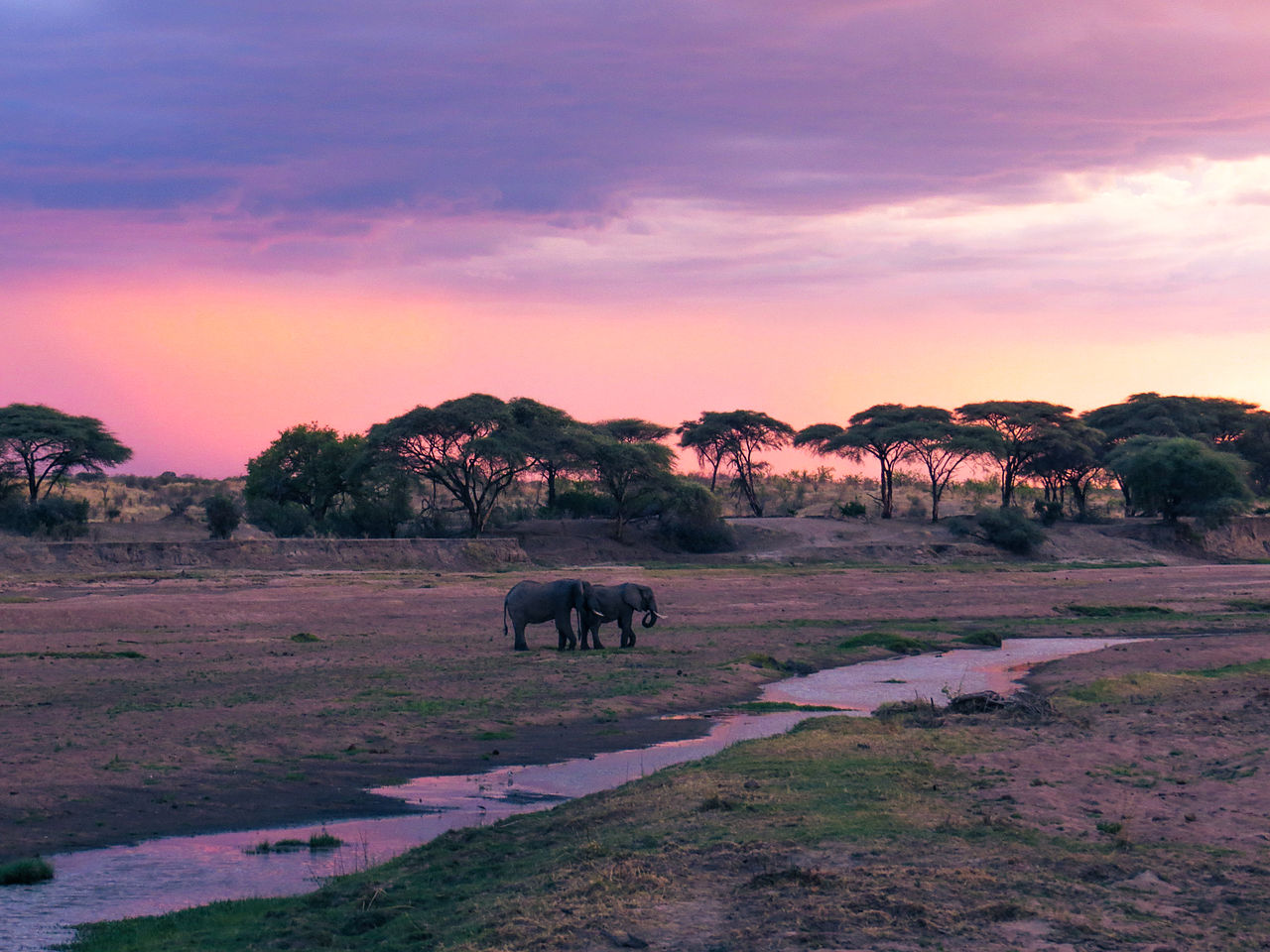
For travelers seeking a remote, authentic, and wild safari experience, Ruaha National Park is the ultimate destination. It offers everything that defines Africa’s soul untamed beauty, abundant wildlife, and tranquil solitude. Here, you can watch elephants bathing in the Great Ruaha River, witness lions on the hunt, and hear the symphony of birds echoing through the baobab-dotted plains.
Ruaha is a park that rewards explorers who crave a deeper connection with nature and wish to see Africa as it once was vast, untouched, and profoundly alive.


Tel: +255 759 945 320
Email: sales@cheetahchasesafaris.com