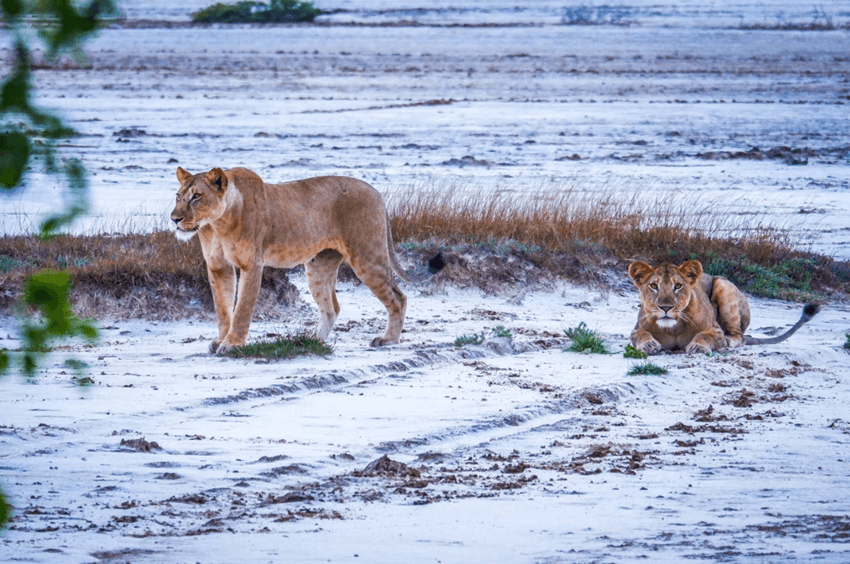
Saadani National Park, located in northeastern Tanzania along the Indian Ocean coast, is the country’s only coastal national park where wildlife roams freely from savannah plains to pristine beaches. Covering approximately 1,100 square kilometers (425 square miles), Saadani combines marine and terrestrial ecosystems, offering a unique safari experience. The park is ideal for tourists seeking game drives, beach safaris, and wildlife encounters in a coastal setting, away from the crowds of northern safari circuits.
History of Saadani National Park
Saadani National Park was established in 2005, transitioning from a game reserve to a national park to better protect its coastal ecosystems, wildlife populations, and marine habitats. Historically, the area was home to fishing and farming communities, with a cultural heritage linked to the Zaramo, Bondei, and Digo peoples. Establishing the park aimed to balance wildlife conservation, tourism development, and local community livelihoods while preserving its unique coastal environment.
Geography and Area Coverage
- Total Area: 1,100 square kilometers (425 square miles).
- Topography: Coastal plains, riverine forests, savannah, mangroves, and sandy beaches.
- Elevation: Mostly low-lying, ranging from sea level to 300 meters (984 feet) inland.
- Rivers and Estuaries: Major rivers include the Wami, Vumari, and Mkata rivers, feeding wetlands and estuaries that attract birds and other wildlife.
- Climate: Tropical coastal climate with warm temperatures year-round (25–32°C). Dry season spans June to October, while the wet season is November to May.
The unique convergence of coastal, marine, and savannah ecosystems allows tourists to enjoy both wildlife and beach experiences in one location.
How to Get There
- From Dar es Salaam: Saadani is approximately 120 km (75 miles) from Dar es Salaam, about 3–4 hours by road using 4×4 vehicles.
- By Air: Light aircraft charters can land at Saadani airstrips, reducing travel time from major Tanzanian cities.
- By Boat: Access via the Wami River offers a scenic approach to coastal lodges.
The park’s accessibility from Dar es Salaam makes it an ideal option for tourists on short safaris or combined beach-safari itineraries.
Wildlife and Ecology
Mammals
Saadani is home to a variety of savannah and forest species, including:
- Elephants, lions, leopards, buffalo, and giraffes roaming the plains.
- Zebras, impalas, waterbucks, and bushbucks grazing near riverbanks.
- Small mammals such as monkeys, civets, and duikers inhabit forested areas.
Marine and Coastal Life
- Dolphins and whales can occasionally be spotted along the coast.
- Mangroves and tidal flats support fish, crabs, and migratory shorebirds.
Birds
Over 400 bird species are recorded, including:
- Wading birds, flamingos, pelicans, and kingfishers.
- Raptors such as fish eagles and hawks.
Vegetation
- Savannah grasslands: Dominated by acacia, baobab, and euphorbia trees.
- Riverine forests: Provide shelter for primates and other wildlife.
- Mangroves: Protect coastal ecosystems and breeding grounds for marine species.
The park’s biodiversity and coastal ecosystems make it an ecologically significant destination for wildlife enthusiasts and eco-tourists.
Attractions and Key Features
- Game Drives
- Saadani offers coastal safari drives, allowing tourists to view elephants, lions, giraffes, and buffalo while enjoying proximity to rivers and estuaries.
- Beaches and Marine Activities
- Pristine beaches provide opportunities for relaxation, swimming, snorkeling, and photography, combining wildlife and coastal experiences.
- Wami River Estuary
- The Wami River supports birdlife, hippos, and crocodiles, and river safaris allow close observation of wildlife in their natural habitats.
- Cultural Experiences
- Visitors can interact with local fishing communities, learning about traditional livelihoods, handicrafts, and coastal conservation practices.
Common Activities
- Wildlife Safaris
- Guided game drives focus on observing large mammals, primates, and birds while explaining ecological and conservation aspects of the park.
- Birdwatching
- The mix of wetlands, mangroves, and savannah attracts migratory and resident birds, making Saadani a top birdwatching destination in Tanzania.
- Hiking and Nature Walks
- Guided walks through forested areas and along rivers provide closer encounters with smaller wildlife, plants, and bird species.
- Beach and Water-Based Activities
- Tourists can enjoy coastal relaxation, swimming, snorkeling, and river excursions along the Wami estuary.
Culture and Local Communities
The park is surrounded by coastal communities of the Zaramo, Bondei, and Digo peoples, who maintain fishing, farming, and cultural traditions. Visitors can participate in village tours, cultural storytelling, and handicraft demonstrations, enriching the safari experience with local heritage. Community-based tourism initiatives ensure economic benefits and support for conservation efforts.
Practical Visitor Information
- Best Time to Visit: Dry season from June to October for wildlife viewing and coastal activities.
- Fitness Requirements: Moderate; game drives and walking safaris require light hiking and comfortable mobility.
- Permits and Fees: Entry fees and guided tour permits are required.
- Accommodation: Coastal lodges, safari camps, and eco-lodges offer options for all budgets.
Why Visit Saadani National Park
Saadani National Park offers a rare combination of wildlife, coastal scenery, and cultural experiences. Visitors can enjoy game drives, birdwatching, beach relaxation, and interaction with local communities, all within a unique coastal ecosystem. The park is ideal for tourists seeking a blend of safari adventure and coastal leisure, providing experiences not found elsewhere in Tanzania.