Tel: +255 759 945 320

home > Top Travel Attractions > Udzungwa National Park
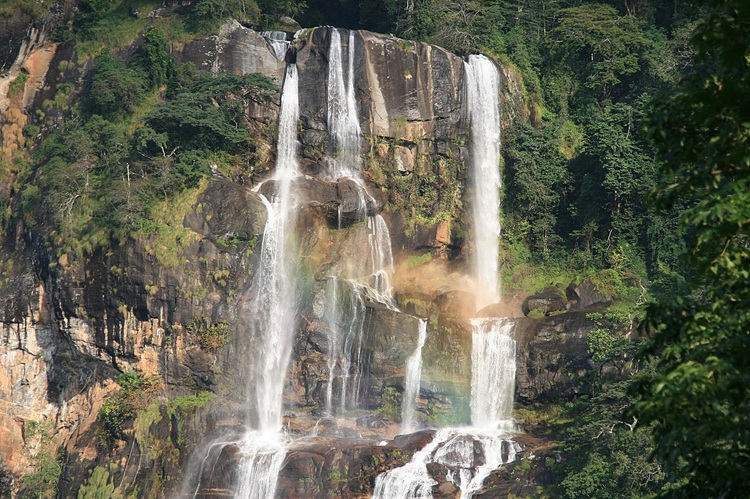
Udzungwa Mountains National Park, located in southern Tanzania, is a hidden gem of East Africa, renowned for its exceptional biodiversity, pristine forests, and scenic waterfalls. Covering approximately 1,990 square kilometers (768 square miles), the park is part of the Eastern Arc Mountains, a globally recognized biodiversity hotspot. With its combination of rainforests, montane grasslands, and river valleys, Udzungwa offers tourists a unique experience that combines hiking, wildlife observation, and ecological education.
History of Udzungwa National Park
Established in 1992, Udzungwa Mountains National Park was created to protect the unique flora and fauna of the Eastern Arc Mountains, including numerous endemic species. The park is home to ancient forest ecosystems that have existed for millions of years, playing a vital role in regional water catchment and climate regulation. Historically, local communities, including the Bena and Ndamba peoples, utilized the forests for hunting, honey collection, and small-scale farming, integrating traditional ecological knowledge with sustainable use of natural resources.
Geography and Area Coverage
Udzungwa’s varied elevation and topography support distinct ecological zones, making it ideal for trekking and wildlife observation in a compact, yet ecologically rich, area.
How to Get There
Due to its remote location, Udzungwa National Park offers a more off-the-beaten-path experience compared to northern Tanzania safari parks.
Wildlife and Ecology
Mammals
Udzungwa Mountains National Park is famous for its endemic species, including:
Birds
The park hosts over 400 bird species, including:
Flora
Udzungwa is celebrated for its high degree of endemism, with many species found nowhere else on Earth.
Attractions and Key Features
Sanje Falls
A 170-meter (558-foot) waterfall accessible via a moderate 2–3 hour hike through lush forest trails. Visitors can swim in the plunge pools at the base of the falls and observe surrounding flora and birdlife.
Forest Trails and Hiking Routes
Multiple hiking trails traverse the park’s forests, valleys, and hills. Popular treks include:
Water Bodies and River Valleys
Udzungwa’s rivers, such as the Kihansi River, are home to freshwater fish species and support riparian ecosystems critical to wildlife.
Common Activities
Hiking and Trekking
Visitors can enjoy day hikes or multi-day trekking expeditions, with opportunities to spot endemic primates, birds, and lush rainforest flora. Trekking is suitable for moderately fit tourists, with guided tours providing safety and ecological insights.
Wildlife and Bird Watching
Guided walks focus on chimpanzee observation, endemic primates, and birdwatching, highlighting the park’s remarkable biodiversity.
Nature Photography
Udzungwa’s waterfalls, rivers, mountains, and unique wildlife make it ideal for landscape and wildlife photography.
Ecological and Conservation Learning
Visitors gain knowledge about forest conservation, species protection, and sustainable tourism, supporting ongoing preservation efforts.
Culture and Local Communities
The park is surrounded by villages of the Bena, Ndamba, and Pogoro peoples, who practice subsistence farming and maintain strong cultural ties to the mountains. Visitors can learn about traditional medicine, forest resource management, and handicrafts, enriching the ecological experience with cultural context.
Practical Visitor Information
Why Visit Udzungwa Mountains National Park
Udzungwa Mountains National Park offers an immersive rainforest and mountain adventure unlike any other in Tanzania. From trekking to Sanje Falls to observing endemic primates and birds, visitors experience extraordinary biodiversity and untouched landscapes. Its combination of ecological importance, scenic beauty, and cultural richness makes it a must-visit destination for adventurous and eco-conscious travelers


Tel: +255 759 945 320
Email: sales@cheetahchasesafaris.com