An Authentic Cultural Encounter
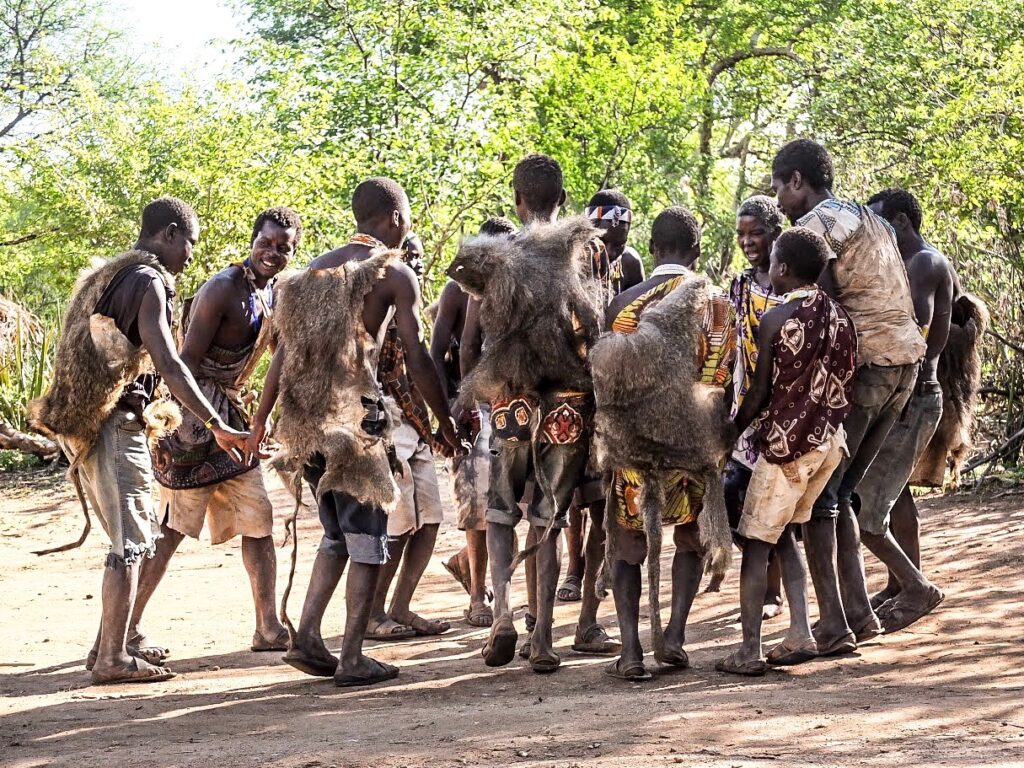
Visiting the Hadzabe tribe offers one of Tanzania’s most authentic cultural tourism experiences. The Hadzabe are a small hunter-gatherer community who live around Lake Eyasi in the central Rift Valley, near the eastern slopes of the Ngorongoro Highlands. A cultural visit blends walking with Hadzabe hunters through scrubland, watching traditional foraging and persistence-hunting techniques, learning about plant medicines and edible roots, and sharing a simple bush meal. This article gives practical, respectful, and detailed guidance so you and the community both benefit from the encounter.
Where the Hadzabe Live & How to Get There
- Location: The Hadzabe live in small family bands around the shores and woodlands of Lake Eyasi (south of the Ngorongoro Conservation Area). The nearest towns for lodging and tour bases are Karatu, Mto wa Mbu, and Mbulu.
- Approximate distances & travel times (by road):
- Arusha → Lake Eyasi area: ~120–160 km; 3–4 hours by 4×4 (depending on route and road conditions).
- Karatu → Lake Eyasi: ~40–60 km; 1–1.5 hours.
- Ngorongoro/Manyara area → Lake Eyasi: 30–90 minutes to 2 hours depending on lodge location.
- Best transit: A sturdy 4×4 vehicle is recommended; some roads are unpaved and can be rough, especially after rains (November–May).
Typical Visit Length and Sample Itinerary
- Typical visit duration: Half-day (3–4 hours) or full day (6–8 hours). Overnight community stays are rare and must be arranged well in advance and with community consent.
- Sample half-day itinerary (approx. times):
- 05:30–07:00 Morning transfer from lodge; arrive at community.
- 07:00–09:30 Walk with hunters; observe tracking, foraging for tubers, and bow-and-poison techniques (demonstration).
- 09:30–10:00 Shared bush tea/coffee and talk with elders about tools, language (Hadza click language elements), and daily life.
- 10:00–11:00 Visit to family camp; opportunity for questions, crafts for sale if available.
- 11:00–12:30 Return to vehicle and transfer back to lodge.
What to Expect During the Visit
- Activities typically offered:
- Guided walking hunts and tracking demonstrations (short, low-impact walks).
- Foraging demonstrations (identification and tasting of wild tubers, berries, and honey).
- Storytelling by elders and simple cultural performances (song and dance).
- Opportunity to see traditional tools: bows, poisoned arrows, digging sticks, and beadwork.
- Group size: Most visits are small 2–8 people to minimize disruption. Private visits are possible with prior arrangement.
- Language & interaction: Many Hadzabe understand basic Swahili; a local guide or translator (often from the village or a neighbouring community) is usually present to facilitate respectful communication.
What to Bring (Practical Checklist)
- Comfortable walking shoes with good grip (closed shoes recommended).
- Lightweight, layered clothing in neutral colors (khaki, olive); long sleeves/pants for brush protection.
- Sun protection: hat, sunglasses, high-SPF sunscreen.
- Water: at least 1–2 liters per person for a half-day; more for full-day walks.
- Small daypack with snacks, spare batteries, and personal meds.
- Insect repellent and malaria prophylaxis as advised by your medical provider.
- Toilet paper & hand sanitizer (bush facilities are basic or absent).
- Small cash in Tanzanian shillings or USD for community fees, guides, or craft purchases keep notes in small denominations.
- Camera & binoculars but see photography etiquette below.
- Medication & first-aid basics (plasters, antiseptic, antihistamine).
Health & Safety Considerations
- Fitness level: Visits involve walking over uneven terrain for 1–4 km at a relaxed but steady pace; inform your operator of any mobility limits.
- Vaccinations & meds: Ensure routine vaccinations are current and discuss malaria prophylaxis with a travel clinician. Carry personal medications.
- Heat, dehydration & ticks: Early morning visits are cooler; always carry water. Check for ticks after walks.
- Wildlife & environment: You may encounter snakes or scorpions in scrubland follow the guide’s instructions and keep to cleared tracks.
Responsible & Respectful Behavior Do’s and Don’ts
Do:
- Ask permission before photographing anyone. A smile and a polite question go a long way.
- Use a local guide or community liaison this ensures cultural protocols are followed and benefits reach the community.
- Pay agreed fees and tip appropriately (confirm amounts in advance). Community fees often support healthcare/education projects.
- Buy crafts directly from makers and ask about fair prices; buying directly helps families.
- Be patient and quiet during tracking/foraging this increases your chance to see authentic behaviours.
- Listen and learn showing curiosity and respect strengthens positive cross-cultural exchange.
Don’t:
- Do not photograph children or private domestic scenes without explicit permission.
- Do not give alcohol, cigarettes, sweets, or items that encourage dependency such items can harm community wellbeing.
- Do not hand out cash or gifts to individuals on the spot unless coordinated by community leaders; ad hoc gifts can create conflict.
- Do not pressure people to perform or demand staged experiences ask beforehand what the community is comfortable with.
- Do not remove objects (tools, bones, plants) from the camp or natural environment.
Fees, Payments & Ethical Considerations
- Typical cost range: Community visit fees and guide charges vary widely. Expect a ballpark of USD 20–60 per person for a standard half-day visit (this may or may not include transport). Full-day experiences or private visits can be higher.
- What fees cover: Community access fees, payment to the guide/interpreter, ranger or liaison fees, and a small community contribution. Always confirm what is included before booking.
- Ethical tourism principle: Seek operators who commit to transparent fee distribution, community development projects, and long-term relationships with the Hadzabe. Cheetah Chase Safaris recommends operators who channel part of the proceeds into education, health, or conservation programs chosen by the community.
Photography & Filming Guidelines
- Ask permission every time. Even if photos were allowed earlier, check again for children or private family areas.
- Offer a small fee for organized portrait sessions if the community requests it; otherwise respect refusals.
- Avoid flash photography which can be intrusive.
- Do not post identifiable photos of individuals (especially children) online without the community’s clear consent.
Seasonal & Timing Tips
- Morning visits (sunrise to mid-morning) are best: cooler walking, active foraging/hunting demonstrations, and clearer light for photos.
- Dry season (June–October) generally has easier walking conditions and less dense vegetation for tracking. However, the Hadzabe’s daily life continues year-round and each season offers different plants and behaviours.
- Avoid visiting during major community events or funerals if in doubt, check with your guide.
Sample Gentle Itineraries (Options)
- Short encounter (half-day): 3–4 hours transfer, walk with hunters, short chat with elders, return.
- Full immersion (full day): 6–8 hours longer walk, foraging lesson, bush lunch with the community, craft buying, optional visit to nearby pastoralists (Datoga) if consented.
- Combined safari day: Lake Eyasi cultural visit in the morning + afternoon game drive in a nearby conservation area (e.g., Tarangire) ideal for travelers with limited time.
Why a Respectful Visit Matters
Well-managed cultural tourism provides income, helps preserve traditional knowledge, and builds mutual understanding. Poorly managed visits can disrupt daily life, create dependency, or distort traditions for tourism. By choosing responsible operators and following the guidelines above, your visit can support the Hadzabe’s dignity, autonomy, and long-term wellbeing.
Bookings with Cheetah Chase Safaris
Cheetah Chase Safaris arranges culturally sensitive visits that prioritize community consent, fair compensation, and low impact on daily life. We work with experienced local liaisons and guides who know community protocols and ensure visits are meaningful for both travelers and hosts. We can tailor half-day or full-day programs from Arusha, Karatu, or Ngorongoro area lodges, and combine the visit with game drives or local market tours.
Final Checklist Before You Go
- Confirm itinerary, price, and what’s included (transport, guide, community fee).
- Carry sufficient water, sun protection, and first-aid items.
- Agree on photography rules and any craft purchases before transactions.
- Respect requests from guides and community leaders at all times.
- Leave only footprints take nothing but photos (with permission), and leave nothing behind.
Visiting the Hadzabe is a rare chance to learn from people who still practise ancestral hunting and foraging traditions. With respect, preparation, and a responsible operator, the experience can be deeply rewarding for you and for the Hadzabe community. If you’d like, Cheetah Chase Safaris can prepare a tailored Lake Eyasi cultural tour that fits your dates, fitness level, and ethical preferences.